


Vedanta Aluminium Welcomes India?UK CETA as a Gamechanger for Aluminium Trade
Vedanta
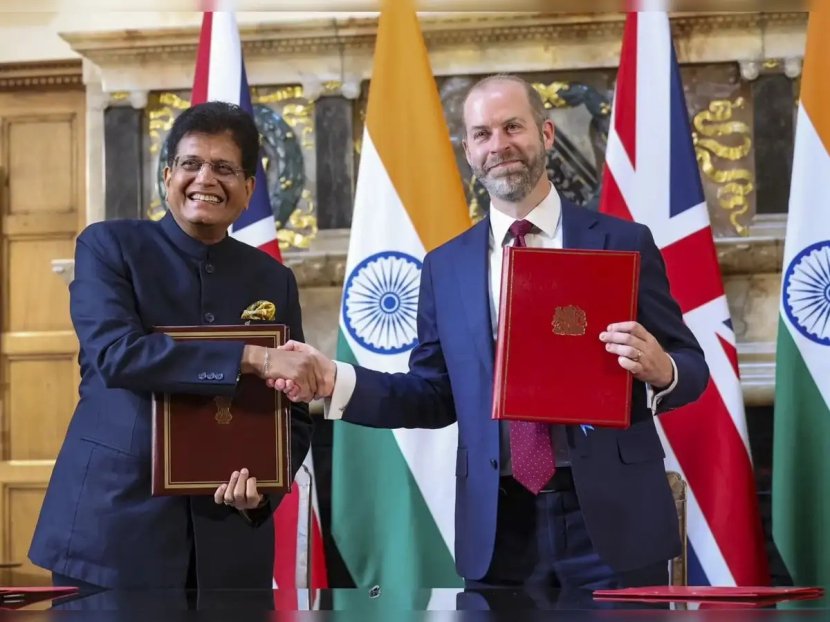
Aluminium, India’s largest aluminium producer, has welcomed the signing of the
India–UK Comprehensive Economic and Trade Agreement (CETA), terming it a
transformative opportunity for the aluminium industry. Mr. Rajiv Kumar, CEO of
Vedanta Aluminium, along with Mr. Rajesh Kumar, CEO of BALCO (a Vedanta
Aluminium company), represented AAI in a webinar organised by the Ministry of
Mines, Government of India.
Chaired
by Mr. V.L. Kantha Rao, Secretary,
Ministry of Mines, the webinar on “India–UK Comprehensive Economic and
Trade Agreement (CETA) and Benefits to the Indian Mineral Sector” saw
representatives from key industry bodies including Aluminium Association of
India (AAI), Federation of Indian Mineral Industries (FIMI), Aluminium
Secondary Manufacturers Association (ASMA), and Material Recycling Association
of India (MRAI) put forward their views on the India-UK CETA.
The
webinar highlighted the opportunities under CETA, which will see India cut tariffs
on 90% of UK products and the UK ease duties on 99% of Indian exports, which is
expected to:
• Lower
trade barriers and create new export opportunities.
• Double
bilateral trade from $56 billion to $112 billion by 2030.
• Offer
zero-duty export access for 99% of India’s exports, promoting “Make in India.”
• Encourage adoption of UK’s expert mining practices, including geological, geophysical, and tunnelling techniques.
Mr V.L. Kantha Rao
also offered the Indian Embassy’s support
for promoting aluminium sales in the UK through roadshows, signalling
strong government-industry collaboration.
Mr. Rajiv Kumar, in
his remarks representing AAI, appreciated the signing of the historic treaty.
He also highlighted aluminium trade position:
• India
produces 4.2 MTPA of primary aluminium and exports 1.6 MTPA of upstream
aluminium.
• UK
has no primary aluminium production, importing significant quantities to meet
demand.
• There
is a need to leverage CETA for R&D collaboration and improving product
competitiveness.
• Potential
threats can arise from the Carbon Border Adjustment Mechanism (CBAM) set for
implementation in January 2027, where duty impact could exceed 80% due to Scope
2 emissions. This would nullify the 0% duty market access benefit for India.
“The
India–UK CETA is a pathbreaking development that opens unprecedented export
opportunities for the Indian aluminium sector. With the accelerating energy
transition, aluminium demand is projected to grow by 37% by 2040, driven by
sectors such as electric vehicles, solar energy, and transmission and
distribution infrastructure. The UK’s lack of primary aluminium production
positions Indian manufacturers as key suppliers to this market,” said Mr. Rajiv Kumar, CEO, Vedanta Aluminium.




Current Issue

10-2026
