


Beyond Gurugram and Noida: Why Kundli–Sonipat is Gaining Attention in NCR
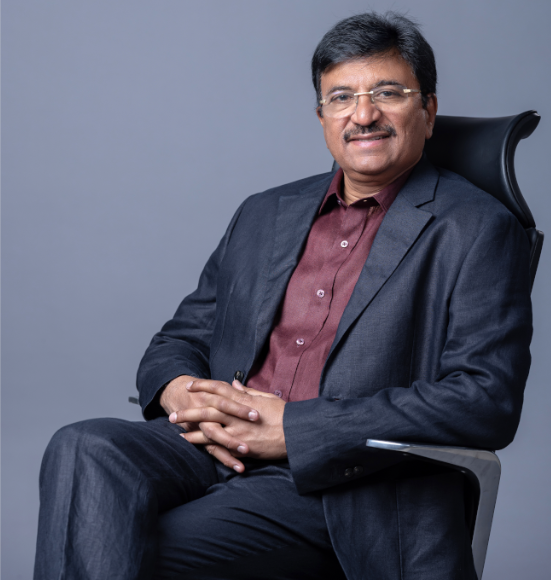
 Akshay Taneja, CEO, TDI Infrastructure
For more than two decades, Gurugram
and Noida remained at the centre of NCR’s growth story. From residential
developments to commercial hubs, these cities shaped the region’s real estate
landscape. However, with rising property prices, congestion, and limited land
availability in these established markets, the focus is now gradually shifting
towards emerging corridors with stronger long-term potential.
Among them, Kundli–Sonipat is steadily
gaining attention as one of NCR’s fastest-growing regions. Backed by improving
infrastructure, better connectivity, industrial growth, and relatively
affordable real estate, the corridor is evolving from a peripheral location
into a promising destination for both homebuyers and investors.
Here are five reasons why Kundli–Sonipat
is emerging as an important growth corridor in NCR.
1. Infrastructure Development is Transforming the
Region
One of the biggest reasons behind
Kundli–Sonipat’s growth is the rapid pace of infrastructure development in the
region. The operational Kundli–Manesar–Palwal (KMP) Expressway has
significantly improved connectivity across NCR, allowing smoother access to
Gurugram, Faridabad, Manesar, and other industrial hubs without entering Delhi.
At the same time, the Eastern
Peripheral Expressway has further strengthened regional connectivity,
positioning Kundli as an important link between Haryana, Delhi, and Uttar
Pradesh. Upcoming projects like the Delhi–Panipat–Karnal Namo Bharat RRTS
corridor and the Rithala–Narela–Kundli metro extension are expected to reduce
travel time and improve daily commuting in the coming years.
This growing infrastructure network is
creating the kind of development momentum that once accelerated growth in
Gurugram.
2. Strategic Location Gives it a Strong Advantage
Kundli–Sonipat enjoys a strategic
location as Delhi’s northern gateway while still offering relatively lower land
costs and larger development opportunities compared to mature NCR markets.
Located along NH-44, the corridor
provides direct connectivity to major cities such as Panipat, Karnal,
Chandigarh, Punjab, and Jammu. Its location also makes it an important route
for freight movement, industrial supply chains, and residential spillover
demand from Delhi.
As land availability becomes
increasingly limited in central NCR markets, developers and investors are
looking towards emerging locations that offer scalability and future-ready
infrastructure. Kundli–Sonipat is gradually positioning itself as one such
urban growth zone.
3. Industrial and Logistics Growth is Creating
Real Demand
Another key factor driving the
region’s growth is the expansion of industrial and logistics activity. The
corridor’s proximity to Industrial Model Townships (IMTs), warehousing hubs,
and industrial clusters has strengthened its commercial importance.
The NCR Regional Plan has already
identified Sonipat–Kundli as an important economic and industrial growth
centre. With better expressway connectivity and lower operational costs,
logistics companies, e-commerce firms, and manufacturing businesses are
increasingly exploring the region for expansion.
This industrial growth is also
creating steady housing demand from professionals, entrepreneurs, and the
working population, leading to genuine end-user driven real estate growth.
4. Affordability Remains a Major Attraction
Compared to Gurugram and central
Noida, Kundli–Sonipat still offers relatively affordable property options,
making it attractive for first-time homebuyers and long-term investors.
As property prices continue to rise in
established NCR markets, many buyers are now exploring locations that offer
better value along with future appreciation potential. Industry experts believe
that ongoing infrastructure development could further strengthen the region’s
real estate value in the medium to long term.
With lower entry costs and planned
urban expansion, the corridor is increasingly being seen as a high-potential
investment destination within NCR.
5. Education and Lifestyle Infrastructure is
Expanding
Unlike many peripheral markets that
grow mainly through industrialisation, Kundli–Sonipat is also developing a
strong education and lifestyle ecosystem. Institutions like Rajiv Gandhi
Education City and NIFTEM are contributing to the region’s growing knowledge
and service economy.
The presence of educational
institutions is gradually increasing demand for organised housing, retail
spaces, hospitality, and social infrastructure. Developers are also focusing on
integrated townships, plotted developments, and lifestyle-oriented residential
projects that align with changing buyer preferences.
The region’s growth today is not just
about affordability — it is also about connectivity, convenience, and long-term
urban development.
Conclusion
As NCR’s growth story expands beyond
Gurugram and Noida, Kundli–Sonipat is steadily emerging as one of the region’s
most promising corridors. Strong infrastructure development, strategic
connectivity, industrial growth, affordability, and improving lifestyle
infrastructure are together driving interest in the region.
With multiple growth drivers working
simultaneously, Kundli–Sonipat is gradually transforming into an important
urban and real estate destination in NCR’s next phase of expansion.
Related Articles

Current Issue

10-2026
