


Quality Assurance and Quality Control: The Foundation of India’s Infrastructure Growth
 By
Ms. Jaasvir Ahluwalia, Business Partner, Genesis Infra Project Consultant
By
Ms. Jaasvir Ahluwalia, Business Partner, Genesis Infra Project Consultant
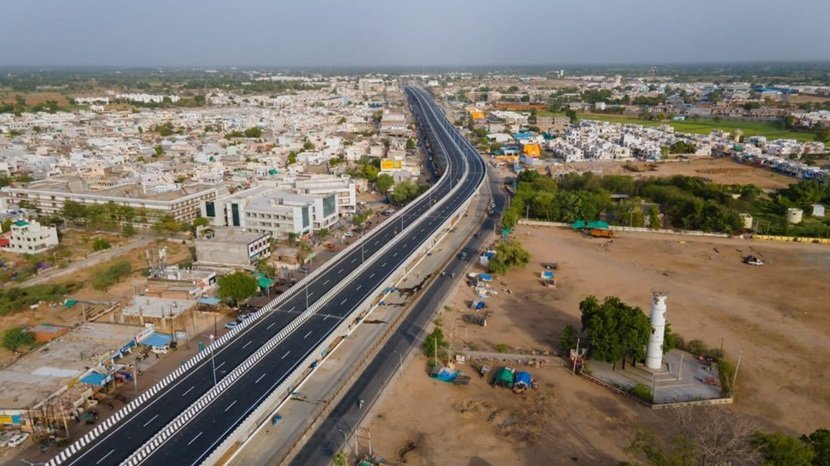
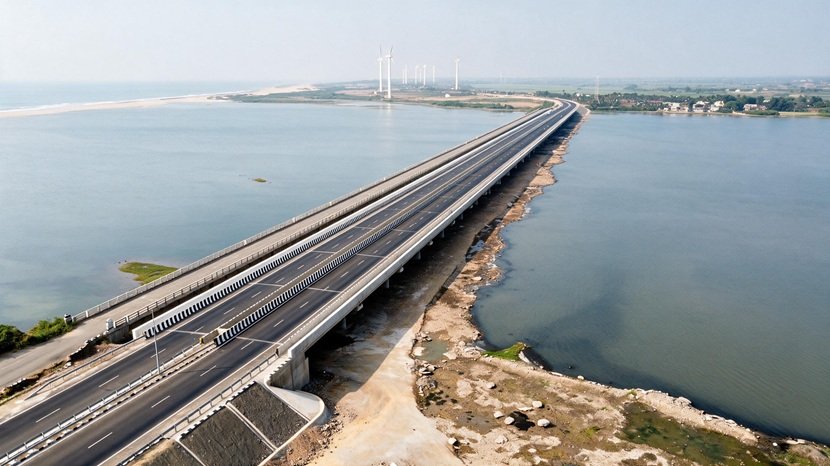
India is going through one of the biggest infrastructure building phases in its history. Expressways, highways, bridges, metro networks, airports, ports and urban infrastructure are coming up faster than ever before. Speed matters, but quality has to stay non-negotiable through all of it.
Infrastructure isn’t built for a few years, it’s built for generations. Roads need to survive extreme weather. Bridges need to stay safe for decades. Every rupee spent on public assets needs to show real value over time. This only happens when Quality Assurance and Quality Control are part of every stage of a project, not something added at the end.
Quality
cannot be inspected into a project after the work is done. It has to be planned
for and monitored from the start.
Consultants Get Involved Long Before Construction Begins
A consultant’s actual work starts well before machinery reaches the site. It begins with feasibility studies, design reviews, technical specifications, material approvals and execution planning.
Once construction starts, consultants keep monitoring the work. They check workmanship, inspect materials, confirm everything matches approved specs, and recommend fixes the moment something goes off track. This kind of independent oversight builds trust between project owners, contractors and the public.
Specifications Are Not Just Paperwork
Every infrastructure project runs on approved drawings and technical specifications. These represent years of engineering experience, lab testing and real field performance, not bureaucratic formality.
When specifications get compromised to save time or money, the results show up later. Potholes, cracking, water seepage, early wear and rising maintenance costs. Following specifications properly is often what separates an asset that lasts decades from one that needs constant repair within a few years.
The Lowest Bid Should Not Mean the Lowest Standard
One of the industry’s biggest problems is the habit of awarding contracts purely based on the lowest bid, or L1. Competitive pricing is fine on its own. But when price becomes the only factor that matters, quality is usually the first thing to go.
Material sourcing has the biggest effect on construction quality. When contractors are pushed into unrealistic budgets, they end up cutting corners on materials, testing and supervision. A better approach is thinking about life-cycle cost instead of just the initial price. An asset that’s durable and low-maintenance almost always ends up cheaper over its lifetime than one built to hit the lowest number on day one.
Subcontractors Need Strong Oversight Too
Large infrastructure projects rely on several subcontractors working at the same time. When supervision is weak, the result is inconsistent workmanship, poor coordination and departures from approved methods.
Quality
accountability cannot be handed off. Main contractors have to actively manage
their subcontractors, trained manpower, verified materials, monitored
workmanship and consistent standards across the board. Consultants add another
layer of checking here, making sure everyone is complying uniformly throughout
the project.

It All Starts at the Plant
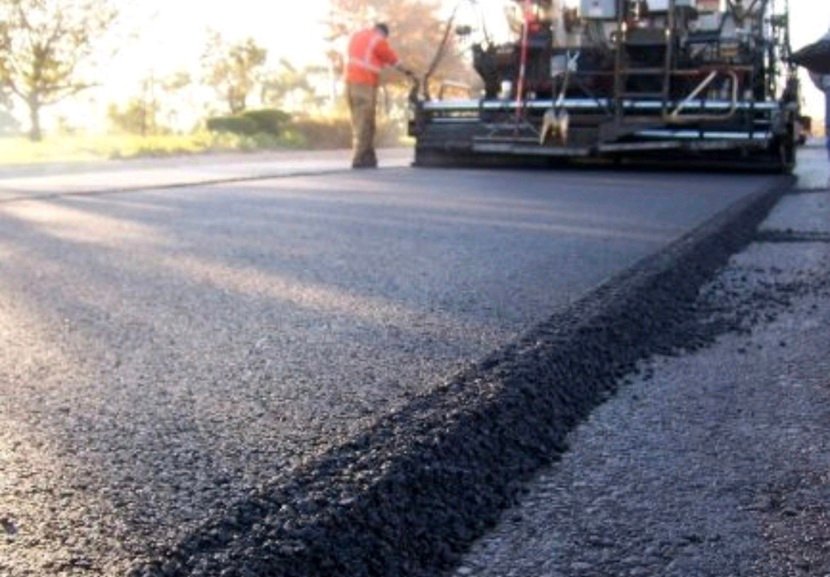
Whether it’s concrete, asphalt or any other material, quality begins at the plant. Batching and asphalt plants need proper calibration, regular maintenance and frequent inspection. Even the best raw materials won’t help if the plant itself isn’t running correctly.
Routine calibration, preventive maintenance and documented quality checks keep every batch consistent. A small variation at the plant level can affect the long-term performance of the finished road or structure.
Innovation Needs Quality Discipline to Work
India has adopted several advanced construction technologies that improve durability and sustainability. Stone Matrix Asphalt, or SMA, is a good example. It’s a premium pavement technology known for rut resistance, longer service life, better skid resistance and strong performance under heavy traffic.
SMA only delivers on this promise when production and laying are tightly controlled. Correct gradation, binder content, temperature management and quality stabilising fibres all need to come together. The growing use of Made in India engineered cellulose fibres shows how local innovation can support world-class infrastructure when it’s backed by disciplined quality practices.
Consultants Are Partners, Not Just Inspectors
It’s easy to see consultants as people who just check boxes, but their real value is as technical partners in nation building. They connect design intent with what actually happens on site, catch risks before they turn into failures, help contractors stay compliant and protect the investments project owners are making.
A good consultant brings engineering knowledge, project management, quality systems and practical site experience together, all aimed at making sure infrastructure performs as intended for its full design life.
Building for the Long Term
India’s infrastructure goals need more than speed. They need durability. Every stakeholder in the process, owners, consultants, contractors, suppliers and subcontractors, shares responsibility for delivering assets that are safe, durable and built to last.
Quality isn’t an added cost. It’s an investment that protects public money, improves safety and builds trust in the infrastructure we create.
At Genesis Infra Project Consultant, we believe technical excellence, strict adherence to specifications, continuous quality monitoring and smart adoption of proven technologies are what infrastructure built to last is made of.
As India keeps building for the future, quality has to remain the strongest foundation under every road, bridge and public asset.
Related Articles




Current Issue

10-2026
