


Union Budget Expectations: Industry Voices
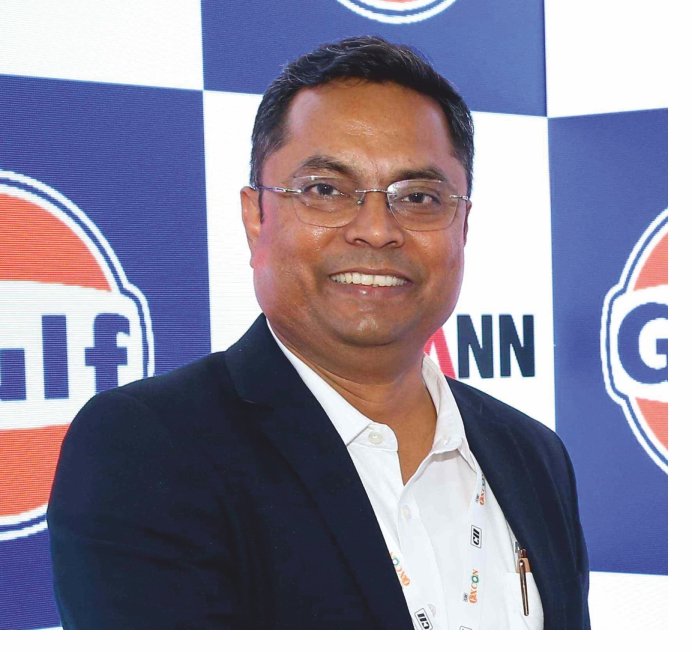 Mr. Dheeraj Panda, Managing Director, Ammann India.
“To achieve Amrit Kaal and Net Zero goals, India’s highways must quickly align with global standards in policy and in execution. Roads are the foundation of development, so a steady highway capex is encouraging; but the real shift now should be towards ‘sustainable kilometres’ with roads built using advanced technology and materials that allow highways to last 20 years or more. Stronger PPP and InvIT frameworks can help crowd in private investment, which must be channelised towards technology that supports clean energy corridors and renewable integration. From an industry perspective, discussions around potholes should have been long behind us; the focus now must be on building highways that perform reliably over decades, with lower lifecycle costs and significantly reduced maintenance.”
 Dr. Hanuma Prasad Modali, Managing Director & CEO, Deccan Gold Mines Ltd., said:
“If India is serious about building a self-reliant critical minerals ecosystem, this Budget must move decisively from intent to execution. What the sector needs now is policy certainty that enables projects to move faster from exploration to production, without diluting environmental or social safeguards.”
“Allowing the extraction and sale of associated minerals without additional fiscal burdens - beyond royalties, DMF and NMET - is a necessary reform to improve project economics and attract long-term capital. Equally important is wider access to high-resolution geological and geophysical data from GSI and the auctioning of larger, contiguous mineral blocks to build scale and meaningfully reduce import dependence.”
“Land and forest approvals remain the single biggest bottleneck. Time-bound clearances, authenticated digital land banks, joint site inspections, and clearly defined escalation mechanisms where statutory timelines are breached will materially accelerate project implementation while preserving ecological priorities.”
“On the trade side, the recent reduction in import duties for select critical minerals is a positive step. Extending this rationalisation across the entire range of critical mineral concentrates and semi-processed products would significantly improve supply-chain resilience, support domestic processing and refining, and ensure that Indian manufacturers remain globally competitive during the transition phase as domestic mining scales up.”
“Finally, India must look beyond mining alone. Supporting the downstream value chain - through clarity on battery scrap and black mass classifications, rational GST structures, and closer coordination with defence, space and advanced manufacturing - will be critical to building a resilient, end-to-end critical minerals value chain anchored in India.”
 Mr. Jason Samuel, Managing Director, House Of Swamiraj
As we approach the Union Budget, the real estate sector continues to stand at a critical inflection point. The coming Budget has the potential to catalyse sustainable growth, address challenges to affordability, and rebuild confidence among homebuyers and developers alike. In recent years, rising construction costs and changing market dynamics have compressed supply in the affordable and mid‑income segments, even as demand remains resilient.
A meaningful policy response that enhances housing affordability will be key to unlocking latent demand across urban and emerging markets. To this end, targeted tax incentives can provide meaningful relief for homebuyers. Particularly, raising the deduction limits on home loan principal and interest can bring significant financial relief, especially for first‑time and middle‑income buyers. Revisiting the benefits linked to affordable housing would help align policy with today’s market realities.
Rationalisation of GST on essential construction materials and under‑construction properties along with simplification of stamp duties and input tax credits would help ease cost pressures on developers, and in turn, improve pricing competitiveness for end‑users. Beyond taxation, streamlined approval processes, enhanced access to institutional capital, clearly articulated incentives for rental housing and REITs can also strengthen liquidity while ensuring more organised growth across residential, commercial, and rental segments.
We also see infrastructure‑led development from urban connectivity to transit‑oriented growth corridors as a strong enabler for real estate expansion. Investment in public transit not only enhances long‑term asset value but also supports equitable urbanisation. Overall, a Budget that balances fiscal prudence with targeted support for housing affordability and industry competitiveness will bolster market sentiment, support sustainable development, and meaningfully contribute to economic growth.

Ajitesh Korupolu, Founder & CEO, ASBL
"As a new age infrastructure and real estate developer, we expect Budget 2026 to keep its focus firmly on connectivity, liveability and sustainability. Continued investment in city level infrastructure—roads, metro corridors, civic assets and water management that directly shapes the quality of life in our micro markets and supports integrated township development.
A predictable policy environment, especially around land approvals, taxation and single window clearances, will help developers plan long term and bring better designed, future ready communities to market. We also hope for incentives that bridge infrastructure and housing, such as stamp duty relief in smart city zones and support for green building certifications.
Budget 2026 is an opportunity to create synergies between infrastructure spending and real estate demand. By prioritising transit oriented development and sustainable urban planning, the government can unlock private investment in live work play ecosystems that create jobs, drive consumption and build inclusive cities. ASBL is committed to delivering projects that embody these principles."
 Mr. Karteesh Reddy, CEO, GHR Infra.
For premium and lifestyle focused developments, real estate & infrastructure is the real value multiplier. From our perspective, Budget 2026 is an opportunity to reinforce investments in high quality transport links, social infrastructure and green standards that elevate living experiences.
A stronger push for sustainable building practices and energy efficient designs would encourage developers like GHR Infra to accelerate adoption of low carbon materials, smart home tech and water conservation without compromising on comfort, luxury or aesthetics. We also expect continued support for peripheral corridors where premium housing meets growing connectivity.
This Budget can set the tone for next generation urbanisation, where infrastructure and real estate work in tandem. Measures like viability gap funding for metro extensions and tax benefits for energy efficient buildings will create a virtuous cycle of premium supply, rising aspirations and economic multipliers. GHR Infra looks forward to contributing to this vision.
 Mr. Sharat Ventrapragada, Designated Partner, GHR Lakshmi Urbanblocks Infra LLP (representing Urbanblocks Realty).
 Mr. Sunil S Nair, CEO, Ramky Infrastructure Ltd
 Mr. Harsh Pareek, Vice President, Direct Sales, Asia-Pacific at Trimble
 Mr. Roy Aniruddha, Co-Founder & Chairman, TechnoStruct Academy
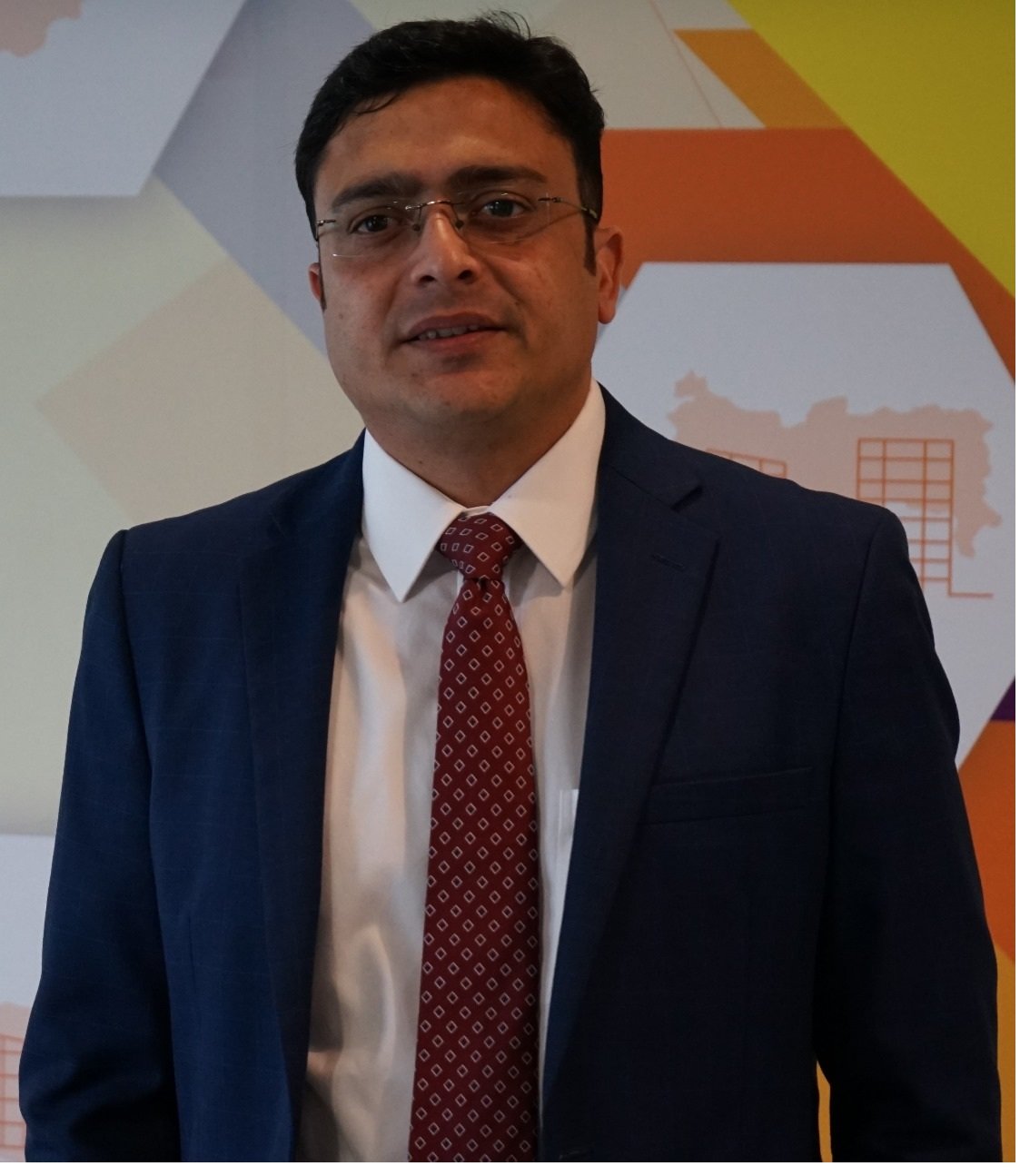 Dipanjan Banerjee, Chief Commercial Officer, Blue Dart.
"The Union Budget 2025 offers a significant opportunity to redefine India’s logistics and transportation sector through strategic interventions crucial for advancing growth and efficiency. Industry stakeholders eagerly anticipate measures to sustain and amplify the sector’s momentum, focusing on enhancing multimodal connectivity, improving last-mile logistics, and fostering technological innovation. Meaningful reforms and investments are essential to streamline operations, integrate green energy solutions, and create a resilient, future-ready ecosystem driving sustainable economic progress."
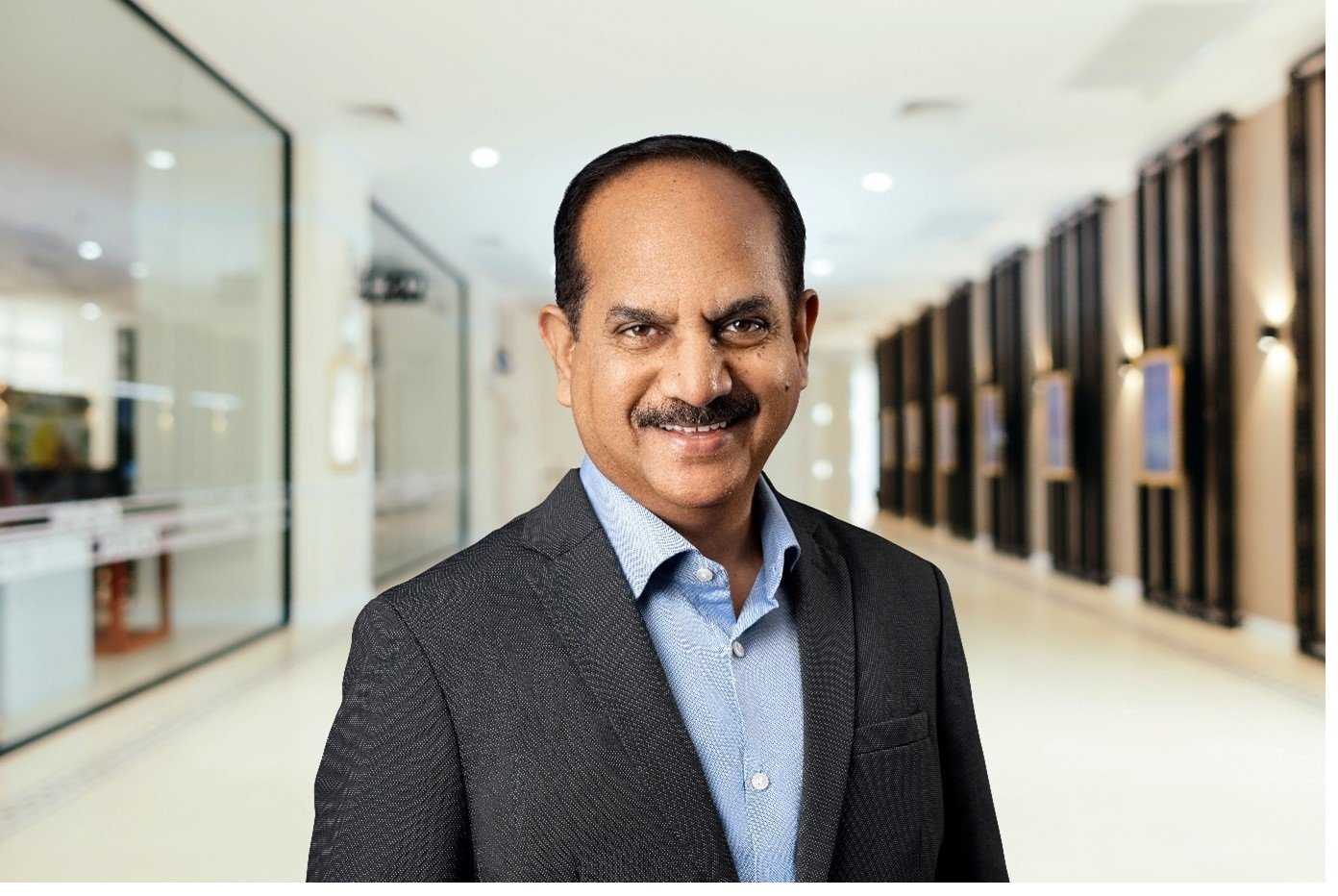 Balfour Manuel, Managing Director, Blue Dart.
"As India marches toward becoming a USD 5 trillion economy, the logistics sector stands at the forefront of enabling this transformation. The Union Budget 2025-26 presents an opportunity to enhance the sector’s contribution by prioritizing investments in freight train speeds, expanding Dedicated Freight Corridors, and improving multimodal infrastructure for industries such as mining, steel, and cement. With the National Logistics Policy and PM GatiShakti driving progress, we look forward to robust capital expenditure on physical and digital infrastructure, along with technology integration and sustainability measures, to strengthen logistics efficiency and elevate India's industrial competitiveness on a global scale."
 Mr. Janak Vakharia, CEO – Xpedeon
“As we approach the Union Budget, the construction industry is hopeful for a significant boost in government spending on infrastructure projects and affordable housing, which are critical drivers of economic growth and job creation. Construction ERP providers and industry leaders are advocating for tax incentives and subsidies to encourage the adoption of ERP systems and other digital tools. Such measures can significantly enhance productivity, transparency, and cost efficiency in project management, enabling businesses across the sector to thrive in an increasingly competitive environment. We further urge the government to focus on policy frameworks that support sustainable construction practices, including incentives for green building initiatives and innovations in energy-efficient technologies. These steps will not only strengthen the sector but also align with India’s broader goals of sustainability and digital transformation.”
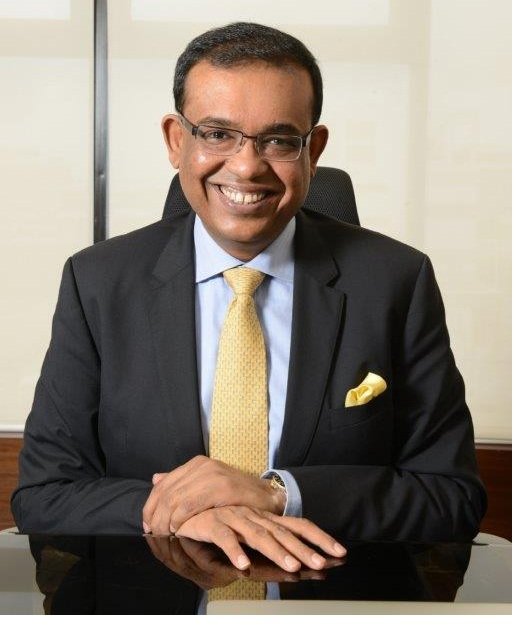 Shri. Umesh Chowdhary, VC & MD, Titagarh Rail Systems Ltd.
“We hope the upcoming Union Budget 2025 will continue its focus on the modernization of rolling stock, urban mobility, and infrastructure enhancements. India's metro systems, now among the largest globally, have significantly transformed urban life and mobility. Equally crucial is the continued development of safety, infra, and rolling stock to improve trade connectivity and drive economic growth. We anticipate a strong commitment to the "Make in India" initiative and reflective policies within the sector, strengthening domestic manufacturing and boosting exports. We hope that the budget would provide a clear roadmap for India’s transportation future, positioning the nation as a global leader in seamless mobility.”
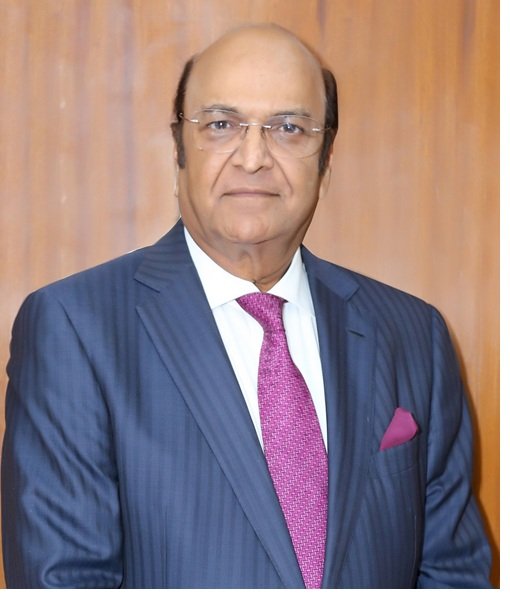 Dr. Raghupati Singhania, Chairman & Managing Director, JK Tyre & Industries Ltd.
"FY 2025-26 is likely to play a pivotal role in realizing India’s aspirations. With young India becoming highly mobile, entrepreneurial, and increasingly tech-savvy, the upcoming Union Budget is expected to address their needs by fostering supportive policies and a conducive business environment. Over the last decade, India has demonstrated remarkable progress in physical infrastructure and Digital Public Infrastructure (DPI), and this momentum is bound to accelerate with focus on last-mile connectivity and infrastructure development in tier-II and III cities as well beyond. A budget emphasizing infrastructure, sustainable mobility, and industrial competitiveness will not only propel the automotive and allied sectors but also significantly contribute to India’s growth story."
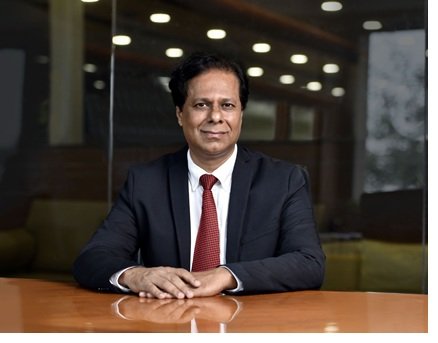 Mr. Venkatesh Gopalakrishnan, Director Group Promoter’s Office, MD & CEO - Shapoorji Pallonji Real Estate (SPRE)
“We anticipate Budget 2025 to introduce measures that strengthen the real estate sector. Revising tax slabs for middle-income earners and tackling raw material price volatility can help stabilize construction costs and housing prices, making homeownership more attainable. Redefining affordability based on regional needs and encouraging green building practices will make housing policies more inclusive and sustainable. Implementing single-window clearance will enhance efficiency and attract investments. Additionally, a reduction in repo rate and stamp duty could further drive housing demand.
A forward-looking budget that supports innovation and sustainability can accelerate the sector’s growth and contribute to broader economic stability. We remain hopeful for initiatives that enable long-term growth and create a resilient future for the industry.”
Related Articles



Current Issue

10-2026
