


Post-Budget Analysis-What Industry Leaders Are Saying
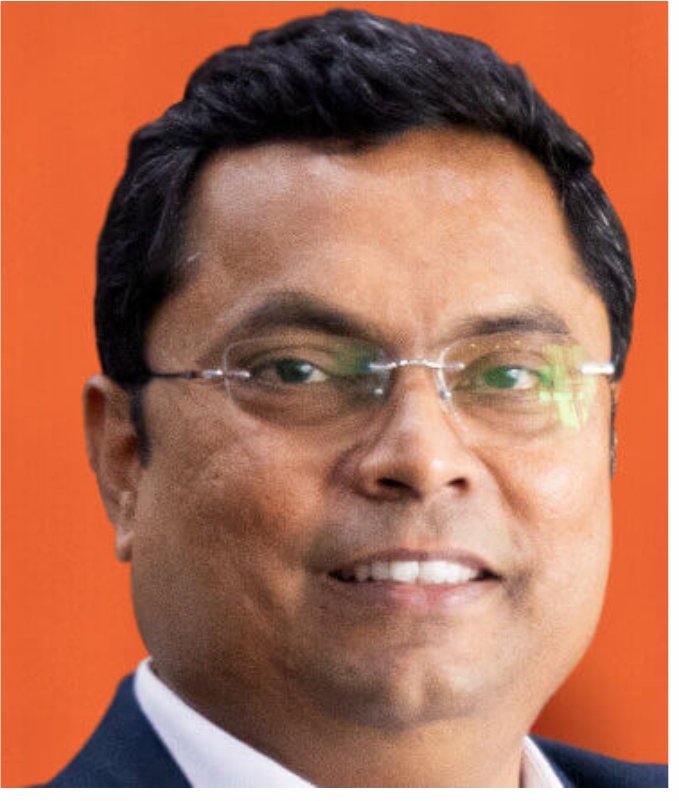 Mr. Dheeraj Panda
Managing Director, Ammann India
“The
Union Budget reinforces infrastructure and manufacturing as twin engines of
India’s next growth phase, with central capex rising to over ₹12 lakh crore.
The announcement of execution of seven new high-speed rail corridors,
multimodal logistics, freight-linked infrastructure and urban connectivity
especially in tier-2 and tier-3 cities, will drive demand for high-output,
reliable and technologically advanced construction equipment. Long-term
visibility is critical for the construction and equipment industry to plan
capacity, technology investments and localisation with confidence.
Additionally,
MSME-focused measures like improved payment cycles, credit support, and cluster
revival will enable smaller contractors to modernise fleets and adopt advanced
plants and pavers to cater to the changing infrastructural needs.
We
congratulate the Hon. Finance Minister on the policy continuity, ecosystem
support, and forward-looking incentives needed for the construction equipment
industry to enable India’s infrastructure-led growth over the next decade.”
 Mr. Lakshmi Narayana G
Designated Partner (Laxmi Infra), GHR Lakshmi Urbanblocks
Infra LLP.
The
Union Budget 2026 positions real estate as a key growth engine by building a
more stable, capital-efficient ecosystem that reduces project risk and attracts
institutional investment - a critical need for premium, sustainable housing in
fast-growing markets like Hyderabad.
The
push for Green Credits and incentives for sustainable construction technologies
- such as dry construction methods and recyclable materials - signals a clear
policy shift toward environmentally responsible development. The Construction
and Infrastructure Equipment (CIE) scheme, with its focus on advanced and
energy-efficient equipment including modern lift systems for high-rises,
further supports this transition toward smarter, greener buildings.
On the demand side, simplified NRI transactions - especially PAN-based TDS compliance without the need for a TAN - can significantly reduce friction for overseas buyers, making Indian real estate more accessible and investment-friendly.
Importantly,
the Budget’s emphasis on sustainable urban renewal across housing segments from
mid-income to premium - along with credit guarantees and process
simplification, empowers developers to create more inclusive, well-planned
communities. Growth corridors such as Kokapet and Neopolis in Hyderabad are
well-placed to benefit from improved financing access and green incentives,
enabling projects with smart technologies, global certifications, and
future-ready amenities.
From
a premium developer’s perspective, the real opportunity lies in building
integrated townships that balance density, sustainability, lifestyle, and
livability ensuring that growth remains equitable for both developers and
homebuyers, while meeting the rising aspiration for high-quality urban living.
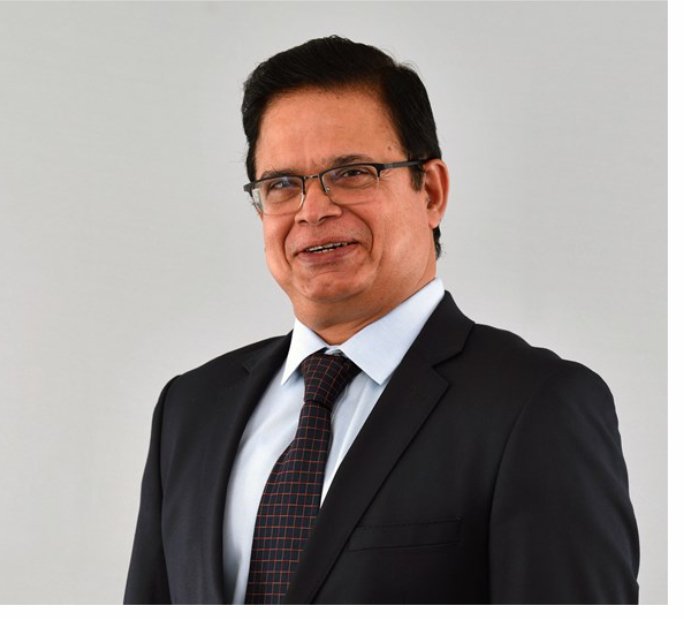 Mr. Dilip Oommen
CEO, AM/NS India
“The
continued outlay on capex for infrastructure is a welcome step to support
industry’s long-term growth. Measures to strengthen project financing, revive
industrial clusters and expand infrastructure in Tier-2 and Tier-3 cities will
also boost domestic manufacturing and competitiveness. At AM/NS India, we
remain committed to supporting this nation-building effort through sustainable
steelmaking and long-term investment in India’s growth.”
 Mr. Shalabh Chaturvedi
Managing Director, India & SAARC region, CASE
Construction Equipment
“We strongly welcome the Union Budget 2026–27’s decisive push for infrastructure, reflected in the increase of public capital expenditure to ₹12.2 lakh crore. The announcement of the Scheme for Enhancement of Construction and Infrastructure Equipment is a landmark step for the industry. For CASE Construction, this reinforces the vision of manufacturing in India for an Aatmanirbhar Bharat by promoting domestic production of high value, technologically advanced equipment. The planned development of City Economic Regions, new freight corridors, and expansion of national waterways under the PM Gati Shakti programme will drive demand for advanced construction equipment. The Budget’s broader policy support for manufacturing and industrial ecosystems will help accelerate supply chain migration into India and create large scale employment opportunities. With a continued focus on ease of doing business and exports, this Budget lays a strong foundation for industrial growth aligned with the vision of Viksit Bharat.”
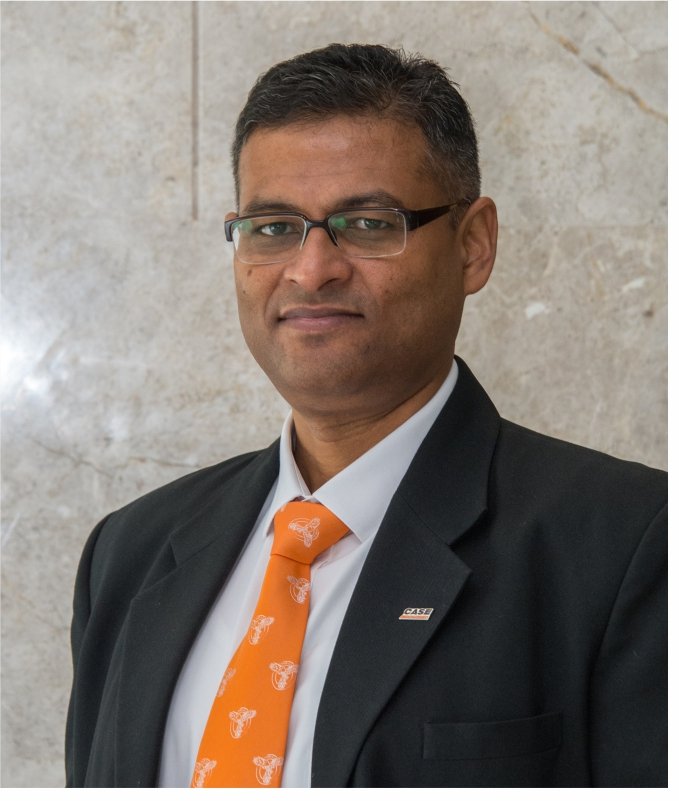 Mr. Puneet Vidyarthi
Head of Brand Marketing, CASE Construction India & APAC and President, Rural Marketing Association of India
“The Budget’s continued focus on infrastructure-led growth beyond metros is a positive signal. Greater emphasis on connectivity and localised development can help accelerate economic activity across semi-urban and rural markets. As development expands closer to these regions, building skills at the grassroots level becomes equally important to support efficient execution and long-term impact. Together, these measures can contribute to more balanced growth while strengthening local economies and market potential.”
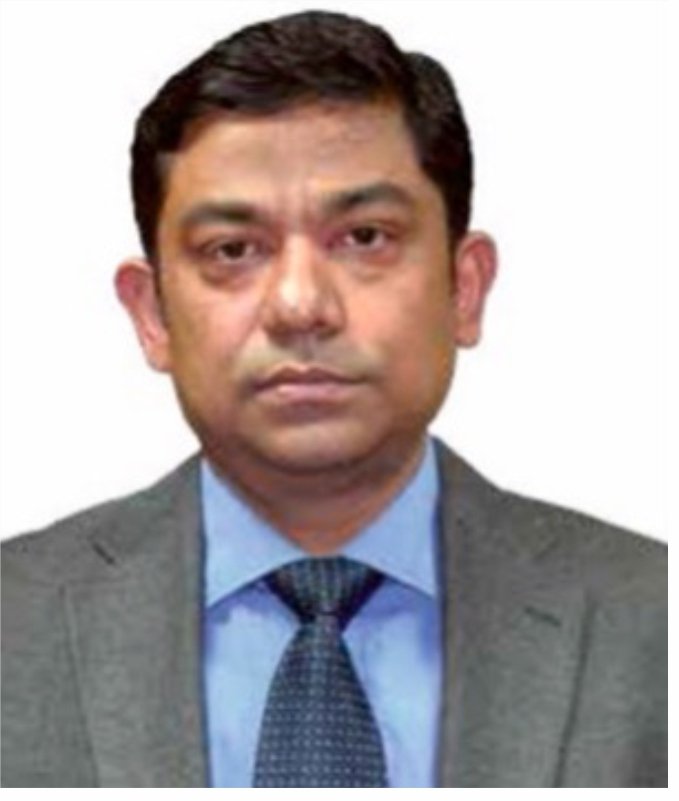
Mr Rinkesh Roy
Joint Managing Director and CEO, JSW Infrastructure Ltd.
“We
congratulate the Honourable Finance Minister and the Government of India on a
decisive and forward-looking Budget that firmly positions infrastructure as the
foundation of India’s growth. The thought through push towards port
modernisation, inland waterways, coastal shipping, and logistics corridors will
make India competitive and marks a structural change.
The additional focus on expanding national
waterways, strengthening east coast connectivity, container manufacturing, and
digitalisation of ports aligns closely with our vision of building integrated,
port-led logistics ecosystems. Creating seamless linkages between ports,
evacuation infrastructure, and industrial clusters is a must to achieve the
uninterrupted growth.
Equally encouraging is the emphasis on green
ports, sustainability-linked financing, ship repair, and smart-port
technologies, which will enhance India’s maritime competitiveness while
supporting long-term, sustainable growth. Overall, Budget 2026–27 reinforces
India’s ambition to emerge as a global maritime and logistics hub and provides
strong momentum to port-led industrial development.”
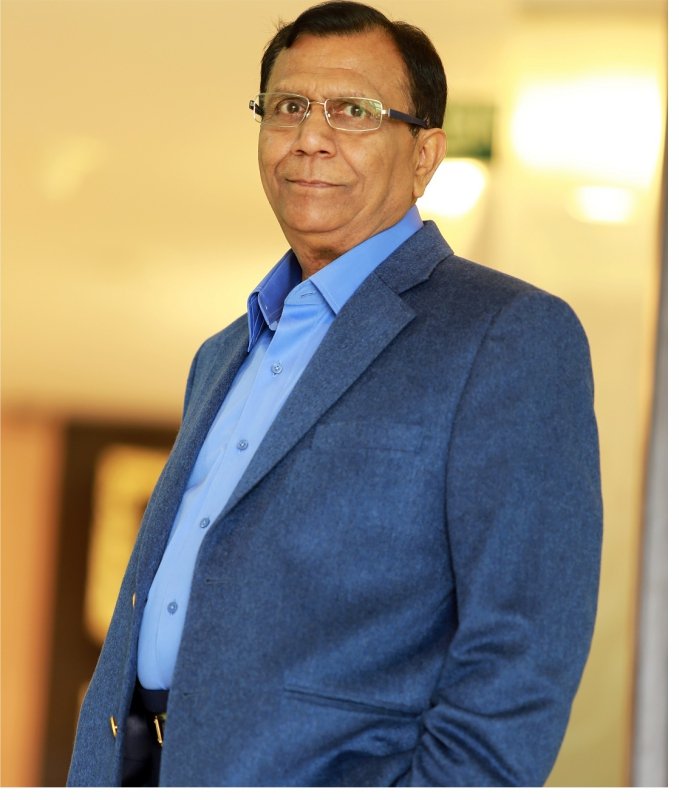 Mr. Satish Kumar Agarwal
Chairman and Managing Director, Kamdhenu Group
“The
12.2 lakh crore capital expenditure outlay with targeted push for high-speed
rail and road corridors, waterways and city economic regions among others
highlights a sustained push for infrastructure led growth. The focus on
infrastructure development in tier-2 and tier-3 cities with over 5 lakh
population will be a strong push to the growth momentum. The proposed
Infrastructure Risk Guarantee Fund is a game-changer as it effectively de-risks
investments in infrastructure projects. The cumulative impact of the growth
focussed budget will result in a sustained growth in demand for steel and
allied products including value added steel as the key component in
infrastructure development.”
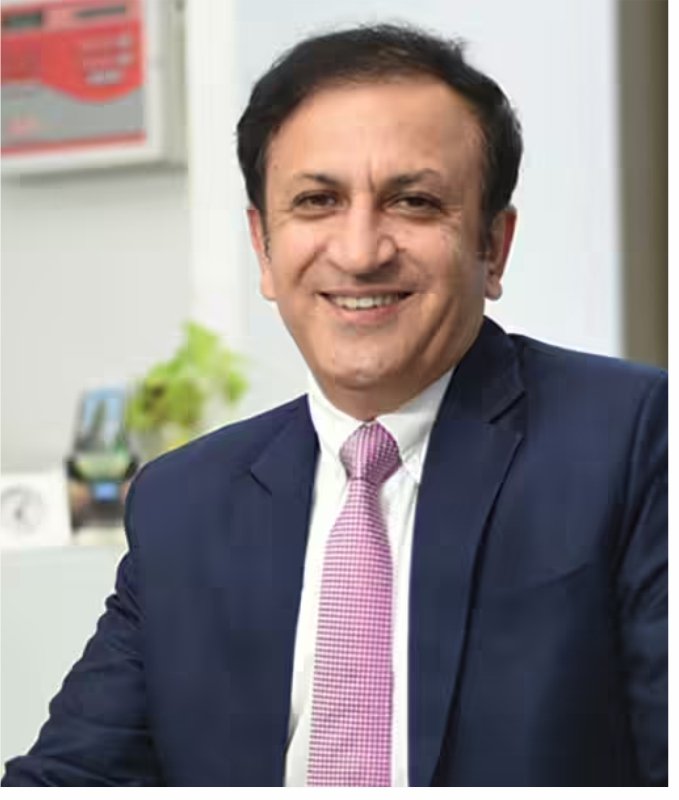 Mr. Amit Gossain
Chairman and Managing Director, KONE Elevators India
& South Asia
We
welcome Budget 2026 and its clear focus on strengthening India’s
infrastructure-led growth. The emphasis on urban development, particularly
across tier-2 and tier-3 cities, will play an important role in advancing smart
urbanisation and modern vertical construction. This creates meaningful
opportunities for companies like KONE India to support the next phase of
India’s city-building journey.
The
proposed capital expenditure of ₹12.2 lakh crore for FY27, along with continued
focus on R&D and digital capabilities, sends a strong signal towards
innovation, efficiency, and long-term competitiveness. These measures will help
accelerate infrastructure creation, improve logistics, support employment, and
contribute to more sustainable and future-ready cities.
At
KONE India, we look forward to contributing to this momentum by bringing safer,
smarter, and more sustainable mobility solutions to India’s growing urban
landscape. Budget 2026 provides a positive and enabling roadmap for the
infrastructure sector and reinforces confidence in India’s long-term growth
story.
 Mr. Vikram Goel
Chief Business Officer – Industrial at Mahindra
Lifespaces
“The Union Budget reinforces the long-term
fundamentals of India’s industrial and urban growth agenda through a strong
infrastructure push, improved execution certainty and sustained public capital
expenditure. In an increasingly uncertain global trade environment, the
flexibility extended to SEZ manufacturing units to access domestic markets is a
timely and pragmatic measure that helps stabilise operations, optimise capacity
utilisation and support more predictable investment planning.
The
continued focus on freight corridors, high-speed connectivity and the
development of city economic regions will strengthen industrial
competitiveness, logistics efficiency and regional growth. For integrated
developments like Mahindra World City in both Jaipur and Chennai, which bring
together SEZ and DTA ecosystems within a master-planned urban framework, this
direction strongly aligns with our vision of building resilient industrial
clusters where manufacturing growth is seamlessly integrated with jobs, housing
and urban infrastructure, enabling long-term, sustainable growth.”
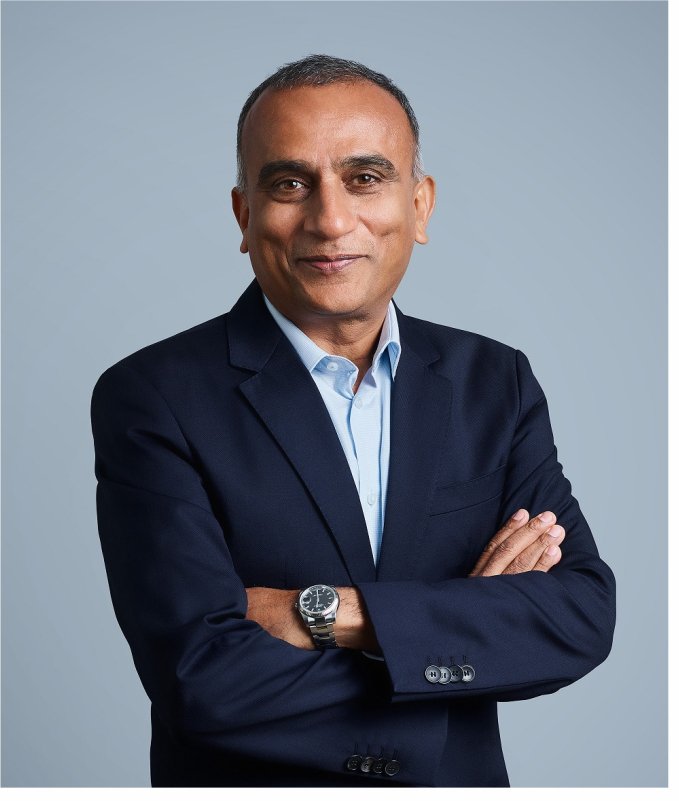 Mr. Sudhanshu Vats
MD, Pidilite Industries Limited
The
Union Budget 2026–27 reinforces strong confidence in India’s growth trajectory,
anchored in manufacturing, infrastructure and consumption. The continued focus
on domestic manufacturing across chemicals, electronics and capital goods
strengthens supply-chain resilience and supports India’s ambition to be a
globally competitive production hub. With public capex at ₹12.2 lakh crore,
demand across housing, construction and infrastructure-linked industries will
remain robust, directly benefiting the building materials and adhesives
ecosystem. The emphasis on digital infrastructure, Automation & AI-led
Customs reforms and trade facilitation will enhance ease of doing business and
global integration. Overall, the Budget provides the confidence to invest, innovate
and scale alongside India’s long-term economic vision. Onwards to a Viksit
Bharat 2047.
 Mr. Sunil Nair
CEO of Ramky Infrastructure Ltd
“The
Union Budget 2026 underscores a clear continuity of confidence in India’s
infrastructure growth story. The proposal to establish an Infrastructure Risk
Guarantee Fund is a particularly forward‑looking intervention, it directly
addresses one of the biggest hurdles in the sector: risk perception during the
early stages of project development and construction. By offering partial
credit guarantees to lenders, the Fund will not only ease financing bottlenecks
but also embolden private players to invest in new, large‑scale projects with
greater assurance.
Equally
significant is the government’s move to accelerate asset monetisation through
dedicated Real Estate Investment Trusts (REITs) for Central Public Sector Enterprise (CPSE) owned
real estate. This will unlock dormant capital, enhance liquidity in the system,
and catalyse a new wave of investments across allied sectors like logistics,
housing, and industrial infrastructure.
Complementing
these reforms, the Budget’s thrust on industrial infrastructure through the
Chemical Park and bulk drug park, Biopharma Shakti schemes enhances India’s
manufacturing and innovation ecosystem. The Chemical Park and bulk drug park
will create plug‑and‑play clusters to boost domestic chemical production and
reduce imports, while the ₹10,000 crore Biopharma Shakti initiative aims to
build a globally competitive biopharma ecosystem through new NIPERs, clinical
trial networks, and upgraded regulatory standards.
Finally,
with a proposed capital expenditure of ₹12.2 lakh crore for FY 2026‑27, the
Budget reaffirms infrastructure as the backbone of India’s economic momentum.
These measures together create a balanced ecosystem, de‑risked,
capital‑efficient, and geared towards sustainable, high‑velocity growth. For
developers like Ramky Infrastructure, this paves the way for deeper
partnerships in nation‑building.
 Mr. Amit Sharma
MD & CEO, Tata Consulting Engineers
The
Union Budget 2026–27 sets a clear direction for India’s long term growth, with
a strong focus on capital investment, manufacturing competitiveness and
technology led development. Continued high spending on infrastructure strengthens
confidence in execution and supports progress across transportation, urban
development and logistics. The emphasis on high speed rail, alongside roads,
metros, ports and urban infrastructure, signals a move towards next generation
connectivity. Policy continuity on clean energy and grid strengthening supports
energy security and transition, while the focus on advanced facilities such as
semiconductors, electronics, data centres and pharmaceuticals builds domestic
capability. Measures supporting hydrocarbons and chemicals, and metals and
mining including rare earth corridors, strengthen critical supply chains.
Overall, the Budget underlines the importance of delivery quality alongside
investment scale, and Tata Consulting Engineers remains committed to converting
this policy intent into future ready assets for the nation.
 Mr. Harsh Pareek
Vice President, Direct Sales, Asia-Pacific at Trimble
"The
₹12.2 trillion allocation for the Infrastructure and construction sector
announced in this Budget sends a clear signal that infrastructure remains
central to India’s growth agenda, even in a challenging global environment.
Sustaining this level of investment will be important, not just to keep
projects moving, but to ensure long-term economic impact.
What
stands out is the focus on expanding infrastructure development into Tier-2 and
Tier-3 cities, which are fast emerging as key growth centres. As construction
activity spreads across more regions, the project complexity will increase and
so execution and quality on the ground will matter more than ever. The
continued push for advanced technologies is a positive step towards building
infrastructure that is dependable, scalable and built to last.”
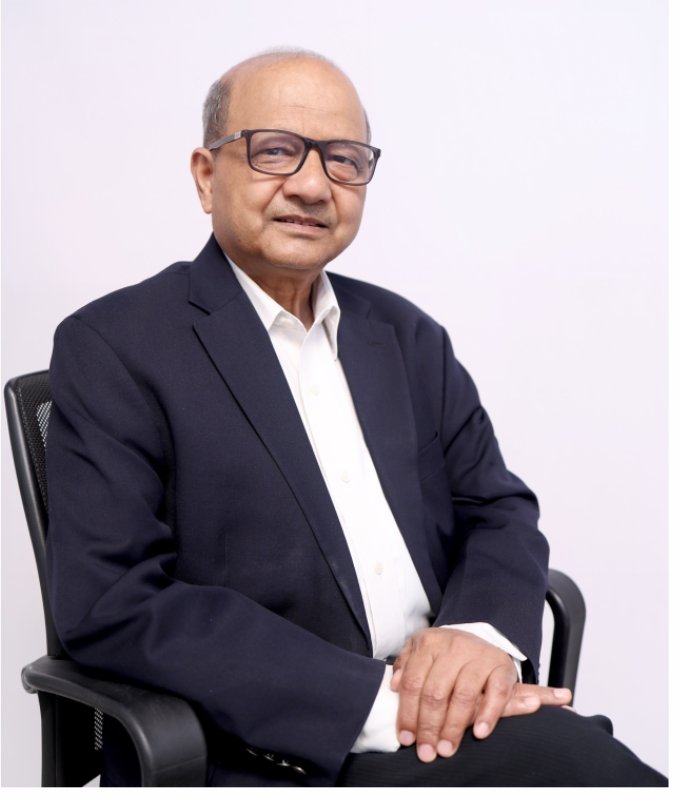 Mr. Vinod Aggarwal
MD & CEO, VE Commercial Vehicles
“The
Union Budget 2026 sets out a clear and purposeful roadmap to strengthen India’s
growth trajectory and advance the vision of Viksit Bharat. With a clear focus
to build capability in crucial areas, the budget reinforces the foundations of
the automotive and commercial vehicle industry. The continued focus on capital
expenditure, with ₹12.2 lakh crore allocated for infrastructure, will play a
critical role in sustaining demand for trucks, buses, and logistics assets that
underpin economic activity nationwide.
The
Budget’s emphasis on developing Rare Earth Mineral Corridors across Odisha,
Kerala, Andhra Pradesh, and Tamil Nadu marks a strategic step toward securing
critical inputs for electric motors and advanced components. This will reduce
import dependence, strengthen domestic value chains, and bolster India’s
long-term competitiveness in high-technology mobility.
On
the clean mobility front, the continuation of duty exemptions on capital goods
for battery manufacturing, alongside targeted incentives for localized
processing, sends a strong signal of intent. These measures are instrumental in
accelerating EV adoption while building a cost-efficient battery ecosystem crucial
for improving the Total Cost of Ownership and driving wider commercial
viability.
Overall,
the Budget strikes the right balance between near-term industry confidence and
long-term capacity building, reinforcing India’s position as a resilient,
self-reliant, and globally competitive manufacturing hub.”
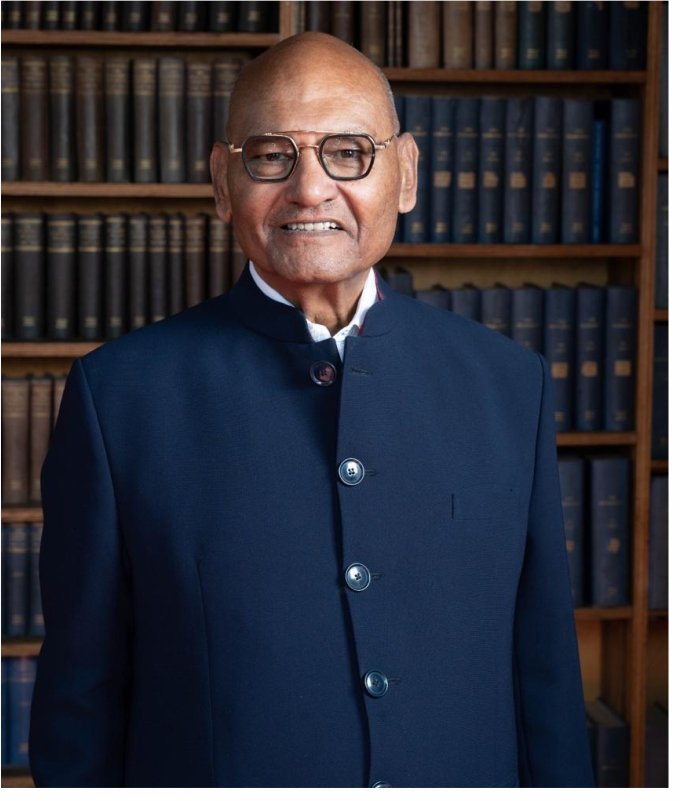 Mr. Anil Agarwal
Chairman, Vedanta Ltd
"A
growth-oriented Budget, with a clear focus on increasing public capital
expenditure and boosting manufacturing. It is a Budget which creates
opportunities for youth to improve their livelihoods, women to become
financially independent, and for employment-intensive sectors like medical
tourism to take off. I welcome the Government's keen attention to critical
minerals and rare earths. The Rare Earths Corridors for mining, processing,
R&D, and manufacturing in Odisha, Tamil Nadu, Andhra Pradesh, and Kerala
will boost growth, employment, and mineral security. Import duty exemption on
capital goods for critical minerals processing is very timely in the current
global scenario. The announcement on flexibility in SEZs, which will permit
some sales in the domestic market, is an excellent move. I congratulate the
Prime Minister and Finance Minister for continuing to steer the Indian economy
with a very steady hand in uncertain times."
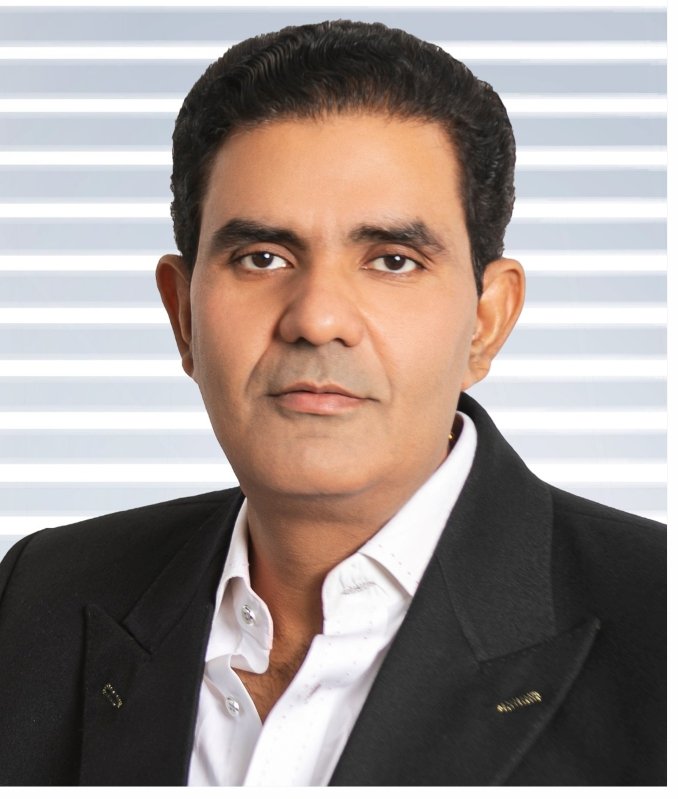 Mr. Ajay Chaudhary
Founder, Chairman and Managing Director, ACE Group
“The
Budget’s continued emphasis on infrastructure and urban development is a
positive signal for well-planned real estate projects. With cities clearly
being positioned as engines of growth, sustained investment in urban
infrastructure, along with provisions focused on enhanced connectivity and
large-scale projects such as the announcement of seven new high-speed rail
corridors, the push for modern infrastructure development across tier-II and
tier-III cities, and a broader ₹10,000 crore growth-oriented funding framework
supporting enterprise and urban activity, will play a key role in shaping
premium housing demand.”
 Mr. Vijay Jain, Director
Star Estate
“The
Budget sends a steady signal for the real estate market, particularly through
its continued focus on infrastructure. From a homebuyer’s perspective, measures
such as allowing the annual value of two self-occupied homes to be treated as
nil and raising the TDS threshold on rental income to ₹6 lakh help improve
household balance sheets and ease friction in the housing ecosystem. Along with
new connectivity corridors and growing focus on tier-II and tier-III cities,
these steps support long-term confidence across residential and commercial
markets, where buyers are increasingly guided by location quality and long-term
value.”
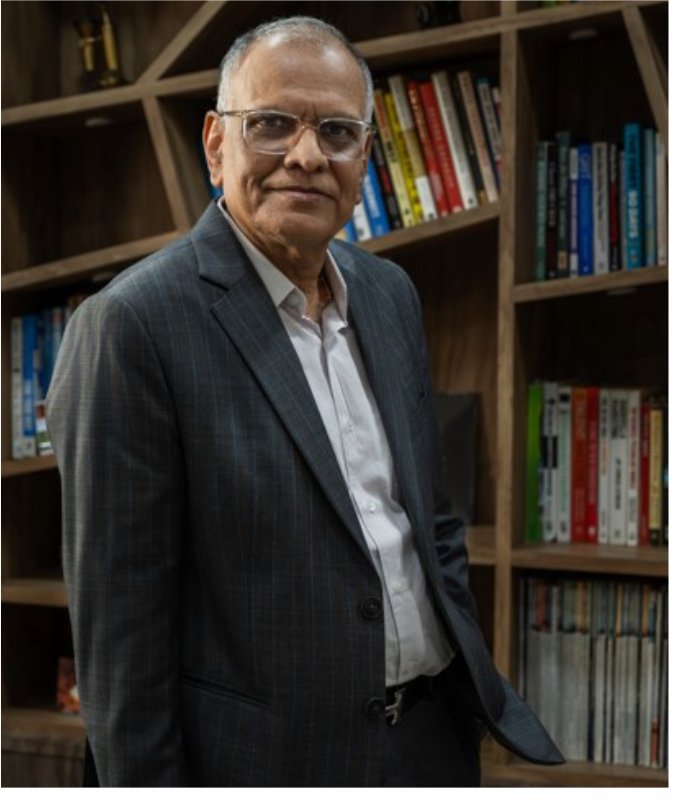 Mr. Ashok Kumar Bhaiya
Chairman & Managing Director at Aludecor Lamination
Pvt. Ltd.
“The
Union Budget 2026, presented by Hon’ble Finance Minister, is aimed at further
accelerating the momentum of the construction and building materials sector in
India. The sustained growth in public capital expenditure to ₹11.2 lakh crore,
and the development of Tier II and Tier III cities with a population of over 5
lakhs as growth centers and City Economic Regions, will help sustain demand for
quality construction materials, where quality and compliant façade solutions
are becoming increasingly important.
The
Scheme for Enhancement of Construction and Infrastructure Equipment is
especially important, as it promotes the use of modern and safety-driven
construction practices. This will lead to a natural increase in the demand for
engineered, fire-rated, and performance-oriented façade materials, which will
provide greater opportunities for organized manufacturers.
While
the direction outlined in the Budget is encouraging, the pace of on-ground
implementation will be key in determining its real impact on the sector. We
remain optimistic and look forward to these measures translating into
consistent project execution and sustained industry growth.”
 CA Baratam Satyanarayana
Chief financial officer & Director, Bondada Group
“The
Budget provides a clear operational framework for the next phase of expansion,
driven by accelerated infrastructure creation, improved renewable energy
economics, and rising demand from sectors such as data centres and advanced
manufacturing. The emphasis on rail connectivity and the growth of Tier II and
III hubs aligns perfectly with our execution-driven approach in power, solar,
and industrial infrastructure. A key benefit is the reduced import duty on
solar glass, which will lower project costs and accelerate the deployment of
renewable energy projects, thereby improving their overall feasibility. These
initiatives, taken together, boost scalability, strengthen domestic supply
chains, and facilitate quicker on-ground execution. We view this as a critical
juncture, where clear policy converges with opportunity, enabling us to broaden
our presence and make a significant contribution to Bharat's upcoming era of
sustainable, infrastructure-driven growth.”
 Mr. Adhil Shetty
CEO, BankBazaar
“Union
Budget 2026–27 strengthens the foundations of India’s formal credit and
financial system through targeted, data-backed measures. The proposed ₹10,000
crore SME Growth Fund is a key intervention. It addresses the long-standing
equity and growth capital gap faced by scaling MSMEs, which employ over 11
crore people and contribute nearly 30 percent of India’s GDP. Better access to
patient capital can help viable enterprises move from survival mode to
sustainable expansion. The continued focus on strengthening the TReDS and
invoice discounting framework directly tackles MSME liquidity stress. Faster
receivables financing improves cash flows, reduces dependence on informal
borrowing, and lowers working capital costs. This is critical for small
businesses operating on thin margins.
Within
banking and NBFCs, the proposal to constitute a high-level committee on banking
for Viksit Bharat signals a comprehensive review of the sector. The focus on
financial stability, inclusion, consumer protection, and technology adoption is
timely. The government’s clearer articulation of the role of NBFCs, including
defined credit targets and technology-led efficiency, reinforces their
importance in last-mile credit delivery. For households, the reduction in TCS
under the Liberalised Remittance Scheme to 2 percent from 5 percent for foreign
travel, education, and medical expenses will ease upfront cash-flow pressure.
It improves affordability for overseas education and healthcare while reducing
short-term liquidity strain. Overall, Budget 2026–27 takes a measured approach.
By combining capital support, digital and AI-led infrastructure, and regulatory
reform, it aims to deepen formal credit penetration, improve liquidity, and
strengthen trust across India’s financial system.”
 Mr. Akshay Taneja
CEO, TDI Infrastructure
“Metro
cities are witnessing saturation, with residential prices rising 25–30% over
the last three years, alongside land scarcity, stretched infrastructure and
longer approval cycles. In contrast, Tier-2 and Tier-3 cities now account for
44% of residential land acquisitions and are driving demand beyond metros.
Housing sales across 60 cities crossed 6.8 lakh units in 2024, up 23% YoY,
reflecting stronger affordability and connectivity. Digitalisation incentives and
sustained infra spending will be critical for enabling safe, smart and scalable
urban ecosystems across emerging city economic regions. Increase in
infrastructure capex from ₹11.2 lakh crore to ₹12.2 lakh crore for FY27,
combined with ₹500 crore in government support and the Infrastructure Risk
Guarantee Fund, will materially improve project viability and private capital
participation. However, it lays out a decisive blueprint for India’s next phase
of urban growth.”
 Mr. Ashish Narain Agarwal
Founder & MD of PropertyPistol
“Union
Budget 2026 reinforces real estate as a core investment pillar. The
simplification of NRI property sale transactions is a structural reform that
improves liquidity and accelerates cross-border capital inflows. A dedicated
₹5,000-crore push for Tier-2 and Tier-3 cities, supported by the newly
introduced Risk Guarantee Fund, materially reduces execution risk and enhances
investor confidence.
With
infrastructure capital expenditure rising to ₹12.2 lakh crore, city-economic
regions are set to expand beyond metros, driving housing demand through
improved connectivity, employment, and urban infrastructure. For real estate
investors, this Budget shifts the narrative from speculative growth to
policy-backed, data-driven returns. Emerging cities now offer a compelling mix
of affordability, infrastructure momentum, and long-term appreciation making
this the right cycle to invest with conviction.”
 Mr. Sunil Pandita
CDO, Nemetschek Group
“Budget
2026–27 sends a strong and timely signal towards building future-ready
infrastructure for India. The government’s continued focus on public capital
expenditure of ₹12.2 lakh crore, development of Tier 2 and Tier 3 cities,
expansion of dedicated freight corridors, inland waterways, and creation of a
robust infrastructure risk guarantee framework will significantly strengthen
India’s infrastructure backbone.
Equally
encouraging is the emphasis on emerging technologies, particularly artificial
intelligence, with large-scale capacity-building initiatives and national
technology missions. As infrastructure networks expand in scale and complexity,
digital engineering, AI-driven design, geospatial intelligence, and predictive
modeling will be critical to enhancing safety, quality, resilience, and lifecycle
performance of assets across highways, waterways, urban infrastructure, and
logistics corridors.
We
see this Budget as an opportunity to accelerate the adoption of open,
interoperable digital technologies across the construction and infrastructure
ecosystem. By embedding digital-first design, planning, execution, and
maintenance practices, India can deliver infrastructure that is not only faster
and more cost-efficient, but also sustainable and resilient for decades to
come. We look forward to supporting India’s infrastructure vision through
technology-led innovation and global best practices.”
Mr. Vishal Raheja
Founder & MD, InvestoXpert Advisors
“Union
Budget 2026–27 articulates a more integrated real estate vision, where metro
markets continue to anchor institutional stability while temple towns and
pilgrimage corridors evolve as structured growth extensions. By scaling public
capital expenditure to ₹12.2 lakh crore, the government is reinforcing
infrastructure intensity across established cities and culturally significant
destinations alike.
Improved
connectivity around temple towns will enable a transition from fragmented,
seasonal development to planned hospitality districts, mixed-use assets, and
organised residential catchments, while metros benefit from deeper liquidity
through CPSE asset monetisation via dedicated REITs. The introduction of the
Infrastructure Risk Guarantee Fund reflects a mature policy approach that
recognises execution risk as a core constraint to quality development.
Together, these measures position real estate as a long-term enabler of
economic continuity, urban depth, and sustainable value creation across
markets.”
Mr. Sunil Sisodiya
Founder & CEO, Neworld Developers
“Budget 2026
is a major boost for India’s holiday home and tourism-linked real estate
sector. With ₹12.2 lakh crore allocated to infrastructure, including high-speed
rail, waterways, and eco-tourism corridors, connectivity to key leisure
destinations will improve significantly. In Goa, a prime leisure and lifestyle
destination, these initiatives are expected to enhance demand for holiday homes
and resorts.
Programs
such as the National Institute of Hospitality, B12 hospitality classes, tourism
courses with IIM collaboration, and the National Destination Digital Knowledge
Grid will upskill over 10,000 professionals, integrating digital tools into
hospitality education. Coupled with focus on India’s cultural, spiritual, and
heritage sites, these measures will strengthen demand for lifestyle-driven real
estate and reinforce India’s leadership in tourism and hospitality.”
Mr. Saransh Trehan
Managing Director, Trehan Group
“The
Union Budget 2026 lays down a strong foundation for India’s real estate sector
by significantly increasing infrastructure investment, with capital expenditure
raised to ₹12.2 lakh crore for FY27,the highest ever which will drive
connectivity and economic activity across urban and emerging markets. The
emphasis on fast‑tracking REIT‑led asset recycling and support for Tier‑2 and
Tier‑3 cities signals meaningful policy support to improve liquidity and
investor confidence. Together with enhanced affordability measures and
financing options, this Budget can catalyse demand and help the real estate
industry sustainably contribute to job creation, urbanisation, and inclusive
growth.”
Mr. Sidharth Chowdhry
Managing Director, Dalcore
The
Union Budget 2026–27, with a proposed capital expenditure of ₹12.2 lakh crore,
reinforces the government’s commitment to infrastructure-led and balanced
regional growth, particularly across Tier-2 and Tier-3 cities. For the luxury
housing segment, especially in mature micro-markets like Golf Course Road, Gurugram,
the Budget strengthens long-term fundamentals such as connectivity,
institutional confidence, and planned urban development. Measures like asset
monetisation through REITs and the Infrastructure Risk Guarantee Fund will
further boost investor sentiment. At Dalcore, this aligns with our vision of
creating globally benchmarked, design-led residential landmarks that support
sustainable urban living as India progresses towards Viksit Bharat @2047.
Dr. Hanuma Prasad Modali
Managing Director & CEO, Deccan Gold Mines Ltd.
The
Union Budget 2026–27 reinforces the Government’s commitment to real, on-ground
reforms that strengthen India’s economic resilience even in a challenging
global environment. The focus on scaling manufacturing across strategic
sectors, building long-term security and stability, and advancing inclusive
growth provides a strong foundation for India’s next phase of development.
For
the mining and resources sector, the proposed scheme for rare earths and critical
minerals - especially in mineral-rich
states such as Andhra Pradesh and Tamil Nadu -
is a significant and timely intervention. The decision to provide basic
customs duty exemption on capital goods required for processing of critical
minerals in India, and to extend tax deductibility for expenditure on
prospecting and exploration by including additional critical minerals, directly
improves project economics and lowers entry barriers for serious explorers.
Measures
aimed at improving access to exploration data, supporting beneficiation and
processing, strengthening capital goods capabilities, and accelerating
infrastructure creation will materially shorten the journey from discovery to
production.
Taken
together, these reforms move India closer to a truly self-reliant critical
minerals ecosystem. We see this Budget as a strong enabler to accelerate our
gold and critical minerals portfolio and to contribute meaningfully to India’s
Atmanirbhar Bharat vision through responsible, technology-led and sustainable
mining.
Mr. Sam Chopra
President and Country Head, eXp Realty India s
“India
is moving from city building to region building. High-speed corridors and
logistics networks will create City Economic Regions, but their success will
depend on governance—especially transparent resale markets, escrow discipline
and professional intermediary accountability.”
Mr. Subhakar Pappula
Founder & CEO, Flamingo Aerospace
“The
Union Budget 2026–27 is a timely and decisive intervention for India’s civil
aviation ecosystem. The exemption of basic customs duty on aviation components,
parts, and raw materials directly addresses long-standing cost and supply-chain
constraints that have limited scale, localisation, and global competitiveness.
As highlighted by Hon’ble Union Finance Minister Nirmala Sitharaman, the proposed duty exemptions for components used in civilian training and other aircraft, as well as for raw materials supporting MRO requirements in the defence sector, will significantly strengthen domestic manufacturing and maintenance capabilities.
These
measures will accelerate aircraft manufacturing, expand MRO infrastructure,
create skilled employment, and reinforce India’s emergence as a dependable
regional aviation and aerospace hub. The Budget’s broader emphasis on capital
investment, including customs duty exemptions on capital goods across key
sectors, along with the proposal to institutionalise services-sector policy
through a high-powered committee assessing the impact of AI on jobs, reflects a
forward-looking approach to competitiveness and workforce readiness.
Together,
these steps strongly advance the objectives of Make in India and Atmanirbhar
Bharat by enabling the aviation sector to build resilience, deepen value
addition, and move up the global value chain.”
Mr. Aayush Madhusudan Agrawal
Founder & Director, Inspira Realty
“We
welcome the Union Budget 2026–27 as a balanced and reform-driven Budget that
reinforces the Viksit Bharat vision through inclusive urbanisation and
sustainable development. The government has significantly increased capital
expenditure on infrastructure to ₹12.2 lakh crore, with a meaningful portion
directed towards urban and regional development. The expansion of City Economic
Regions in tier-two and tier-three cities, supported by investments in urban
infrastructure, logistics corridors and regional connectivity, will improve
access to employment centres and enhance liveability in emerging towns,
expanding the homebuyer base beyond metros. The Infrastructure Risk Guarantee
Fund is a timely measure to improve access to construction finance and reduce execution
risks, particularly for affordable and mid-segment housing projects where
timely completion and cash flow certainty are critical. Major tax incentive
changes for homebuyers would have been a welcome move for the industry, but
that was a miss. As growth in healthcare, pharma, education, and services
across cities strengthens employment opportunities, more families will gain the
financial confidence to invest in homeownership. Collectively, these measures
support housing affordability and the long-term expansion of the residential
real estate market.”
Mr. Robin Mangla
President M3M India
The
Union Budget 2026 reinforces the importance of infrastructure-led growth as a
key driver for real estate. The increase in capital expenditure to ₹12.2 lakh
crore provides long-term visibility for urban expansion, connectivity, and
project execution, underpinning demand across both residential and commercial
segments. These measures will strengthen the overall real estate ecosystem,
improve execution confidence, and support sustained growth across key markets,
aligning well with M3M’s focus on delivering world-class developments and
reinforcing long-term investor confidence.
Mr. Yash Garg
Director, M3M Noida
The
Union Budget 2026–27, with a capital expenditure outlay of ₹12.2 lakh crore and
a continued focus on infrastructure development, provides a strong impetus for
India’s real estate sector. Initiatives like the Infrastructure Risk Guarantee
Fund and REIT-enabled asset monetisation are expected to enhance institutional
capital flows and bolster developer confidence. At M3M, this reinforces our
commitment to delivering high-quality, sustainable real estate projects while
supporting India’s vision of Viksit Bharat 2047
Sh. Shrivallabh Goyal
CEO & Whole-Time Director, Model Economic Township
Ltd. (Reliance MET City)
The
Union Budget 2026–27 reinforces the government’s clear commitment to
infrastructure-led growth as the cornerstone of economic expansion, employment
generation, and nationwide connectivity. The enhanced capital expenditure
outlay of ₹12.2 lakh crore signals a decisive focus on building world-class
physical and industrial infrastructure. This investment goes beyond headline
numbers, translating into tangible progress across transport corridors, modern
logistics networks, urban infrastructure, and industrial ecosystems;
particularly in emerging Tier-2 and Tier-3 cities.
The
Budget’s strong emphasis on urban development further strengthens this
momentum. With increased focus on urban housing, mobility, and city-level
services, the government is laying the foundation for sustainable, liveable,
and investment-ready cities. Integrated developments such as Reliance MET City
exemplify this approach, where industrial infrastructure, urban planning, and workforce
ecosystems converge to support long-term economic activity. Such targeted urban
and industrial development will be critical in attracting private investment,
enabling seamless urbanisation, and advancing India’s growth ambitions on the
path to Viksit Bharat 2047.
Mr. Bitan Datta
Transportation and Advanced Industrials, Oliver Wyman
“Union
Budget 2026 is episodic in India’s transformative journey to be “Viksit Bharat”
(‘Developed India’). The budget reinforces transportation and industrial
infrastructure as critical enablers of this transformation. The focus on
high-speed rail corridors, new dedicated freight corridors, national waterways
and coastal shipping highlights a clear intent to improve logistics efficiency
and multimodal connectivity. These investments will continue to reduce transit
times, lower logistics cost and enhance supply-chain competitiveness of Indian
manufacturing. The emphasis on indigenous manufacturing, combined with
large-scale public capital expenditure, is focused on building self-reliability
in critical segments - semiconductor, electronics, rare earth applications,
containers, energy transition, biopharma and high-value,
technologically-advanced construction & infra equipment. Budget 2026
signals consistency in the Government’s push to boost India’s global
competitiveness.”
“Union
Budget 2026 is episodic in India’s transformative journey to be “Viksit Bharat”
(‘Developed India’). The budget reinforces transportation and industrial
infrastructure as critical enablers of this transformation. The focus on
high-speed rail corridors, new dedicated freight corridors, national waterways
and coastal shipping highlights a clear intent to improve logistics efficiency
and multimodal connectivity. These investments will continue to reduce transit
times, lower logistics cost and enhance supply-chain competitiveness of Indian
manufacturing. The emphasis on indigenous manufacturing, combined with
large-scale public capital expenditure, is focused on building self-reliability
in critical segments - semiconductor, electronics, rare earth applications,
containers, energy transition, biopharma and high-value,
technologically-advanced construction & infra equipment. Budget 2026
signals consistency in the Government’s push to boost India’s global
competitiveness.”
Ms Pragya Priyadarshini
Managing Director, Primus Partners
“This
year’s budget presents a balanced and forward-looking blueprint for
infrastructure, highlighting development of high-speed and freight corridors to
reduce logistics cost and time while encouraging a modal shift from road to
rail and waterways. The Infrastructure Risk Guarantee Fund will help improve
project bankability by mitigating risks and attracting private capital. A
₹10,000-Crore, five-year container manufacturing scheme will help India reduce
reliance on foreign suppliers and strengthen self-reliance in line with
Atmanirbhar Bharat. Greater domestic production will stabilise container
availability and reduce logistics costs, enhancing trade competitiveness. These
steps collectively are a journey towards an integrated, future-ready ecosystem,
which now needs effective and timely implementation.”
Mr. Anil Mittal,
Chief Financial Officer, Smartworld Developers.
“Budget
2026 lays out a pragmatic roadmap for India’s urban future, anchored in a
sustained infrastructure push and clear policy direction that channels
long-term investment into major metropolitan markets. In Tier-1 cities, where
connectivity, mass mobility and civic infrastructure are key demand drivers,
the focus on capex-led growth and regulatory certainty strengthens market
confidence and supports sustainable real estate development. As the sector
builds enduring urban communities, consistent policy signals and robust
infrastructure will remain the foundation for quality housing and long-term
value creation,”
Mr. Ram Aggarwal
CEO, Goodluck India Limited
“The
Union Budget 2026 further strengthens Government’s vision for a Vikasit Bharat
2047 with sustained push on infrastructure, inclusion and self-reliance. The
planned outlay across defense, urban and rural development, logistics and
high-speed rail networks will boost demand for specialized steel products. At
the same time, the recent classification of. coking coal as a critical and
strategic mineral will further strengthen India’s quest for being Atmanirbhar
in metals sector.”
Mr. Sandeep Kumar
Co-founder and Managing Director, A-One Steel India
Limited
“The
announcement of a ₹20,000 crore carbon capture and utilisation scheme marks an
important step for decarbonising steel manufacturing while safeguarding
competitiveness. Combined with fiscal discipline and infrastructure-led growth,
the Budget creates a balanced framework where sustainability and scale move
together. This clarity on green transition, alongside steady demand drivers,
supports long-term investments in cleaner technologies and modern production
facilities.
Mr. Rupin Banker
Co-founder, Strategic Global Alliance
“The
continued focus on infrastructure, backed by a public capital expenditure
outlay of ₹12.2 lakh crore in FY 2027, will help steer investment towards
scale, stability and long-term capital. A credible path of fiscal
consolidation, along with measures such as the Infrastructure Risk Guarantee
Fund, improves risk-adjusted returns for large, long-duration projects. From
both domestic and global investor standpoints, India is increasingly being
viewed as a reliable destination for patient infrastructure rather than
short-term speculative flows.”
Mr. Vinesh Mehta
Chairman, Abhay Ispat
“The
Union Budget 2026 lays a strong foundation for India’s infrastructure and
industrial growth. With renewed emphasis on urban development, affordable
housing, transportation, renewable energy and manufacturing, steel will play a
pivotal role in realising these ambitions. As demand grows across construction,
automotive, railways and energy sectors, the Budget’s focus on domestic
manufacturing, technological upgrades and sustainable practices is set to
strengthen the steel industry’s contribution to India’s growth story. Also,
aligning with the roadmap launched in December 2025, CCUS technologies will be
scaled across power, steel, cement, refineries, and chemicals, backed by an
outlay of ₹20,000 crore over the next five years.”
Mr. Satyen J. Mamtora,
CEO and MD, Transformers and Rectifiers (India) Ltd.
(TARIL)
“The
enhanced Rs. 40,000 crore outlay under the Electronics Components Manufacturing
Scheme highlights the continued focus on strengthening domestic manufacturing
capabilities. For the power and energy sector, a stronger local electronics
ecosystem is increasingly relevant as digitalisation and advanced systems
become integral to transmission and grid infrastructure, supporting supply
chain stability and capacity building.
Also, customs duty exemptions for capital goods used in lithium-ion battery and solar glass manufacturing, proposed exemptions for Battery Energy Storage Systems (BESS), and the extension of duty exemptions for nuclear power projects until 2035 together provide longer-term policy visibility and may help moderate costs while supporting investments across clean as well as conventional energy infrastructure.”
Mr. Harinder Singh
Managing Director & CEO, Yokohama India Pvt. Ltd.
“The
Union Budget’s continued emphasis on manufacturing depth, infrastructure
expansion, critical mineral ecosystems and clean energy value chains sends a
strong and progressive signal for India’s industrial future. Enhanced support
for electronic components manufacturing, battery storage, lithium-ion cells and
critical minerals creates long-term policy visibility for EV platform
localisation, battery assembly and advanced power electronics manufacturing,
thereby strengthening investment confidence across emerging mobility
ecosystems.
For
the tyre industry and the broader automotive sector, sustained capital
expenditure of ₹12.2 lakh crore, expansion of highways, freight corridors,
ports and multimodal logistics networks will significantly improve supply chain
resilience, logistics efficiency and last-mile connectivity. Improved
infrastructure access across Tier-II and Tier-III markets further enhances
market reach and demand potential.
Additionally,
customs duty rationalisation and exemptions on select capital goods and
advanced components help improve cost competitiveness by lowering initial capex
and operational costs for high-technology manufacturing investments in India.
At Yokohama India, where we continue to expand our domestic production footprint with a strong focus on localisation, sustainability and high value-added products, this policy direction reinforces confidence to accelerate investments in capacity, technology and next-generation manufacturing aligned with India’s long-term growth trajectory.”
Mr Rahul Kejriwal, Executive Director, Remsons
“We
welcome the Union Budget 2026–27 and its strong focus on strengthening India’s
position as a global hub for manufacturing and innovation. The push for
targeted investments in advanced manufacturing, capital goods and clean
mobility solutions open up fresh opportunities across vehicle manufacturing,
auto components, and EV. EV component support will significantly benefit
domestic electric motor manufacturing for two-wheelers, three-wheelers, and
commercial EVs. Overall, the Budget will significantly strengthen domestic
value chains and support the auto components sector.”
Varun Khanna, Group MD Quality Care India Ltd
“The
Union Budget 2026-27 is a reform-driven blueprint that demonstrates the
government’s long-term alignment with the vision of Viksit Bharat through
sustained growth, fiscal discipline and people-centric development. The focus
on establishing five hubs for Medical Value Tourism in partnership with the
private sector, creating integrated regional medical hubs with diagnostics,
post-care and AYUSH services, upgrading and setting up new institutions for
Allied Health Professionals, and training 1.5 lakh multi-skilled caregivers
will significantly strengthen India’s care ecosystem, including much-needed
geriatric and allied care. The creation of new All India Institutes of Ayurveda
and the upgradation of the WHO Global Traditional Medicine Centre reflect a progressive
approach to integrating modern and traditional systems of medicine. Equally
encouraging are the reduction of TCS from 5% to 2% for education and medical
purposes, the strong thrust on Biopharma SHAKTI to accelerate domestic
biologics manufacturing, and the exemption of basic customs duty on 17 cancer
medicines, which together improve affordability, self-reliance and patient
access. Anchored in a socially and economically conscious framework, and
supported by continued investments in infrastructure beyond Tier 1 cities,
digital enablement and public-private collaboration, this Budget lays a robust
foundation for a resilient, patient-centric and globally competitive healthcare
ecosystem.”
Related Articles




Current Issue

10-2026
