


MB Crusher India Excavator Attachments, On-Site Recycling
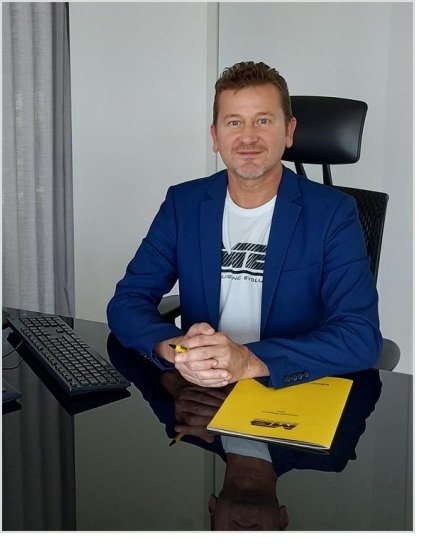
Guido Azzolin
CEO, MB Crusher

Looking back at the recent exhibition season and the heavy industry focus on jobsite versatility, how valuable are large physical trade shows for showcasing excavator-mounted crusher buckets, screening buckets, and sorting grapplers directly to contractors and quarry operators?
A crusher bucket is one of those machines that truly wins people over the moment they see it working. Put an attachment of that size next to a boulder, and a road builder in Odisha or a quarry supervisor in Rajasthan is immediately curious to see what it can do. That curiosity is healthy, and the best answer to it is a live demonstration rather than a brochure or specification sheet.
This is why physical exhibitions still matter to us more than almost any other channel. A show puts the machine, the material and the buyer in the same place. A contractor watches oversize stone go into the jaw and come out as graded aggregate, and the conversation moves from "can it" to "how would it work on my job." The questions become practical very quickly. Will it run on my excavator's hydraulics? What does it burn? How long do the jaws last? Who services it when I am 300 kilometres from the nearest town?
Shows are also where we learn. Four days on a stand teach you more about Indian job sites than a month of meetings.
When speaking with demolition contractors, road contractors, and quarry managers on the ground, what were the most persistent material hauling bottlenecks, disposal costs, or material sourcing challenges they brought up regarding traditional off-site crushing operations?
The complaints are remarkably consistent, whether the person is building a rural road or clearing a demolition site in a metro.
For road contractors the problem is dependence. Sub-base and aggregate usually come from a crusher that may sit on the far side of the district. The contractor pays for the material, pays again for the trucking, and has no control over when it arrives. When a quarry permit is suspended, when the monsoon cuts an access road, or when transporters go on strike, his paving crew stands idle while the project clock keeps running. In the hill states and the Northeast, where one landslide can close a route for days, this is not an occasional disruption. It is the normal operating condition.
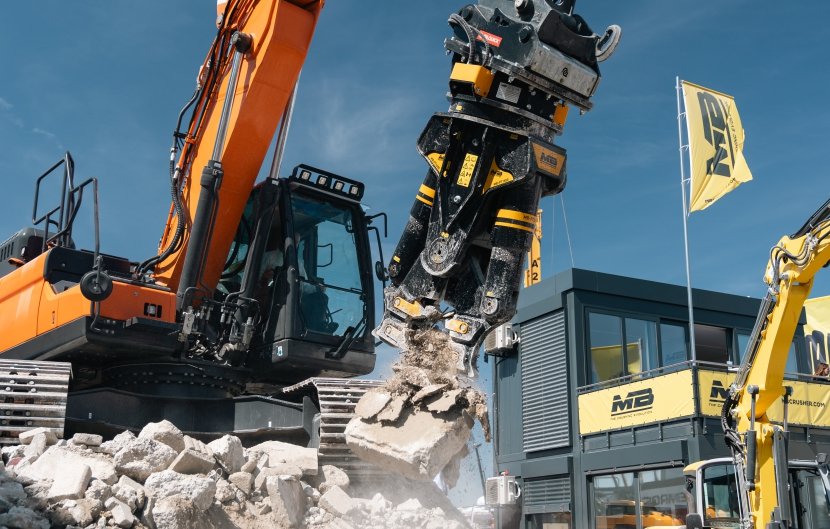
Demolition contractors face the mirror image. Their problem is not bringing material in but getting it out. Debris has to be loaded, hauled to an authorised facility and paid for at the gate, often within restricted night-time truck windows in cities like Mumbai, Delhi or Bengaluru. Then, on many of the same projects, fresh aggregate is trucked back in for backfill.
Quarry managers talk about rehandling. Oversize rock the primary plant cannot accept gets moved, stockpiled, broken and moved again.
What links all three is that material is being transported not because the job needs it moved, but because the processing happens somewhere else.
With infrastructure projects, highway expansions, and urban demolition jobs facing tighter environmental regulations and strict timelines, how have customer expectations shifted over recent years, particularly regarding the move toward on-site aggregate creation, recycling construction waste, and eliminating secondary transport loops?
The biggest change I see is where the conversation starts. A few years ago, material was a procurement question. The contractor planned the job, then worked out where to buy aggregate and where to dump debris. Today, on well-run projects, material balance is part of planning from the first day. What comes out of an excavation or a demolished structure is examined as a possible input to the same project.
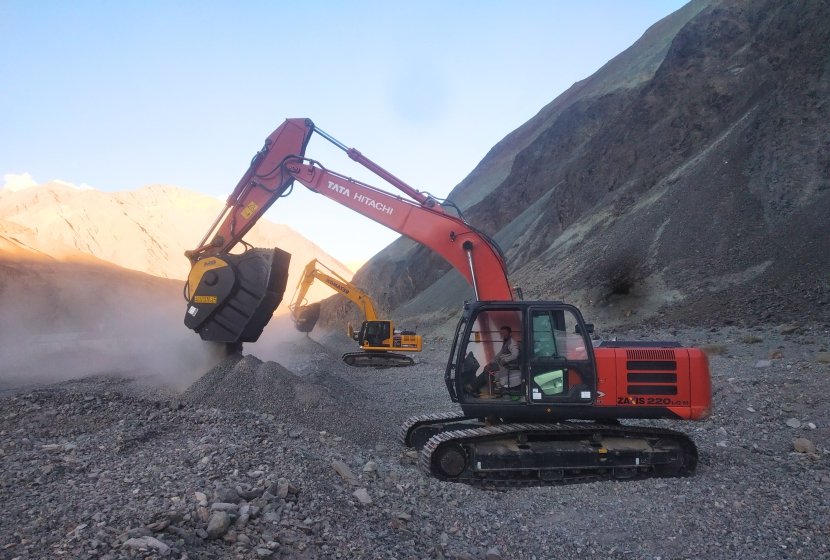
Timelines drive much of this. Highway and urban projects run on tight schedules with penalties for delay, and contractors have learned that an external supply chain is a schedule risk they cannot control. Producing material at the point of use removes one of those risks.
Regulation has played its part. The C&D Waste Management Rules of 2016 established that construction waste is a resource to be processed, and the 2025 framework has raised expectations further. Enforcement is still uneven across states, and I would be honest about that. In active municipal jurisdictions and on public tenders that specify recycled content, compliance is real. Elsewhere, economics is doing more of the work than the rules.
And the economics are easy to follow. Every truck carrying debris out and every truck carrying aggregate in is a cost that adds nothing to the finished structure. The question contractors ask now is no longer whether on-site processing is possible, but where on their project it makes the most sense.
Looking toward the rest of the year following the excitement of the exhibition season, what new attachment models, specialized material processing solutions, or customer support upgrades is MB Crusher India most excited to roll out for the construction and mining sector?
I would rather talk about what changes for the customer than list model numbers.
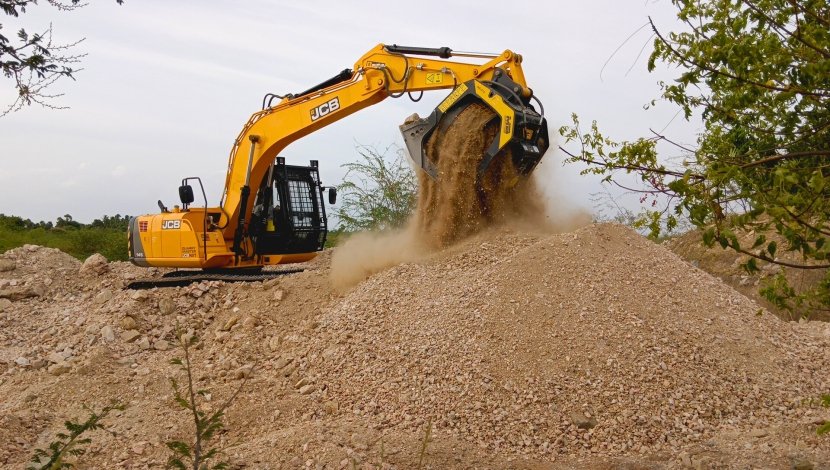
On the product side, the direction is to extend the chain of work a single excavator can handle. Crushing and screening are now well understood. On urban demolition sites, the gap is often at the front end: separating concrete from reinforcement and reducing structural elements to a size that can be processed or sorted. Our pulverizer and sorting grapple range addresses exactly that step, and Indian contractors will see more of it on their sites in the coming months.
The more important investment is in support. A crusher attachment works hard and needs scheduled service, and a contractor in a remote district cannot wait weeks for a part or an engineer. Everything we do on the service side is measured by one outcome: how quickly a stopped machine is working again. Operator training sits alongside that, because the gap between a good and an average operator shows up directly in jaw life and output.
A contractor buys our attachment to become independent of an external supply chain. If our service creates a new dependency, we have not kept that promise.
Related Articles




Current Issue

10-2026
