


Slipform Pavers Builds Quality Concrete Roads
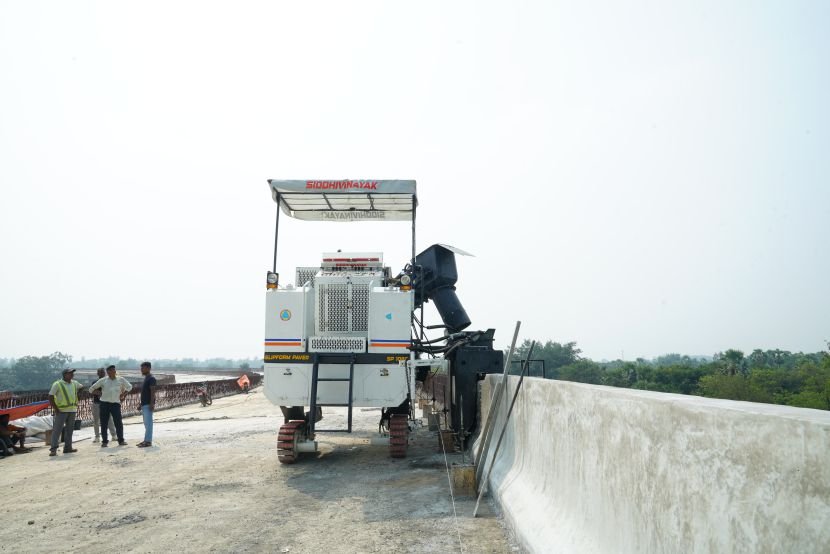
Cast-in-place concrete is used in very diverse applications for the construction of rigid pavements because of numerous distinct advantages. Concrete pavements last long and require minimal maintenance, provided they have been designed properly and executed professionally.
Slip-form paving is the most widely used paving method in modern concrete pavement construction. It is a highly efficient technique capable of delivering exceptionally smooth and durable concrete highways and roadways.
Slip-form paving is most appropriate for larger infrastructure jobs that require high production rates. It utilizes low-slump Portland Cement Concrete (PCC), delivers higher productivity, and creates a smooth riding surface.
Key Advantages of Slip-Form Paving
- Economy: One of the biggest advantages of slip-form paving is cost-efficiency. The reduction in personnel required and the speed at which the pavement can be laid often add up to considerable project savings.
- Labor Efficiency: Slip-form pavers are less labor-intensive as they involve fewer machines and eliminate the need for the maintenance, setting, and handling of large numbers of side forms.
- Continuous Surface: They provide a continuous and seamless concrete pavement surface by nature, creating a smooth finish without frequent joints.
How Slip-Form Pavers Work
The name "slip-form" comes from the operational function of the concrete paver known as a slip-form paver. The side forms of the paver slide across the concrete slab edges to provide smooth surfaces that consolidate and harden, assisted by an auger accessory.
Slip-form pavers are self-propelled equipment and mostly mounted on tracks. The main functions of a typical track-mounted, self-propelled slip-form paver include screeding, consolidation, and initial finishing. Furthermore, many modern slip-form pavers are designed to accommodate attachments for performing additional operations like concrete placing, finishing, tinning, curing, and texturing—thus eliminating the need for other specialized machines in the paver train.
Advanced Stringless Technology
A slip-form paver with stringless technology replaces traditional stringlines with an electronic tracking process that controls both the horizontal and vertical operation of the machine. These stringless control systems can accommodate radii or superelevations automatically according to exact project design data.
Additionally, modern electronic controls and microprocessors have greatly improved how slip-form pavers operate and perform, featuring advanced capabilities such as self-diagnostics and intelligent electronic-over-hydraulic controls.
In conclusion, slip-form paving continues to set the benchmark for modern infrastructure projects, combining high-speed execution, precision engineering, and long-term pavement durability.
Related Industry Reading & Recommendations
| Road Construction & Concrete Focus | Recommended Reading |
|---|---|
| Concrete Roads & Pavements |
Slipform Pavers Builds Quality Concrete Roads
Engineering excellence and productivity in modern concrete highway construction. |
| Cement-Treated Base (CTB) |
Cement-Treated Base (CTB) for Strong Foundations
Enhancing structural load-bearing capacity and fatigue resistance beneath pavements. |
| Canal Lining & Paving |
Fixed-Form Concrete Pavers for Canal Lining
Economical solutions for water resource infrastructure and canal construction. |
| Road Sustainability & SCMs |
Enhancing Concrete Roads Sustainability Using SCMs
Integrating supplementary cementitious materials for durable and green pavements. |
| Rigid Pavement Rehabilitation |
Repair and Rehabilitation of Rigid Concrete Pavements
Best practices for extending the service life of aging concrete highways. |


Current Issue
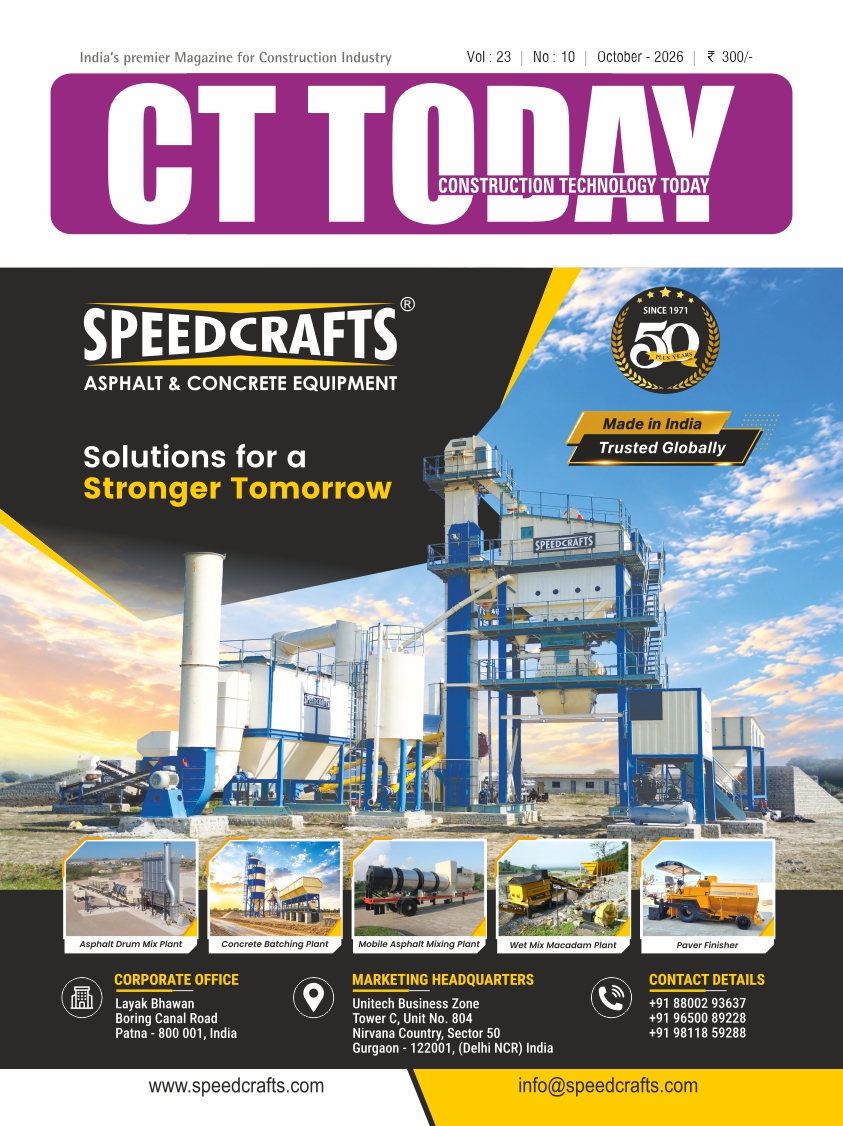
10-2026
